Local Experts
We are a Sydney-based family office and SDA provider with strong local knowledge and experience in NSW.
A Guide for Parents and Families
This guide to SDA for parents is for mums and dads thinking about the next home for their son or daughter. Specialist Disability Accommodation (SDA) is purpose-built housing funded through the NDIS for people with extreme functional impairment or very high support needs. Deciding whether it suits your family is one of the hardest calls a parent makes. You know your child better than any assessor does. This guide explains SDA in plain words: who decides, how to weigh it up, and how to keep your place in your child’s life. Read it at your own pace. Nothing here asks you to decide anything today.

Edenbridge Living is an NDIS-registered SDA provider and a locally owned family office. We build, own and manage SDA homes across Sydney, New South Wales and the Central Coast. Our focus is housing for people with a cognitive impairment or intellectual disability. Being a family business ourselves shapes how we talk with families. Use this SDA guide for families as a friendly start. It is general information, and it is not legal, clinical or financial advice. Your planner or support coordinator can confirm anything specific to your situation.

Understanding SDA for parents starts with one point. SDA pays for the house, not the people who help each day. Support workers are funded separately, through Supported Independent Living (SIL). We provide the housing. Your family chooses the SIL provider.
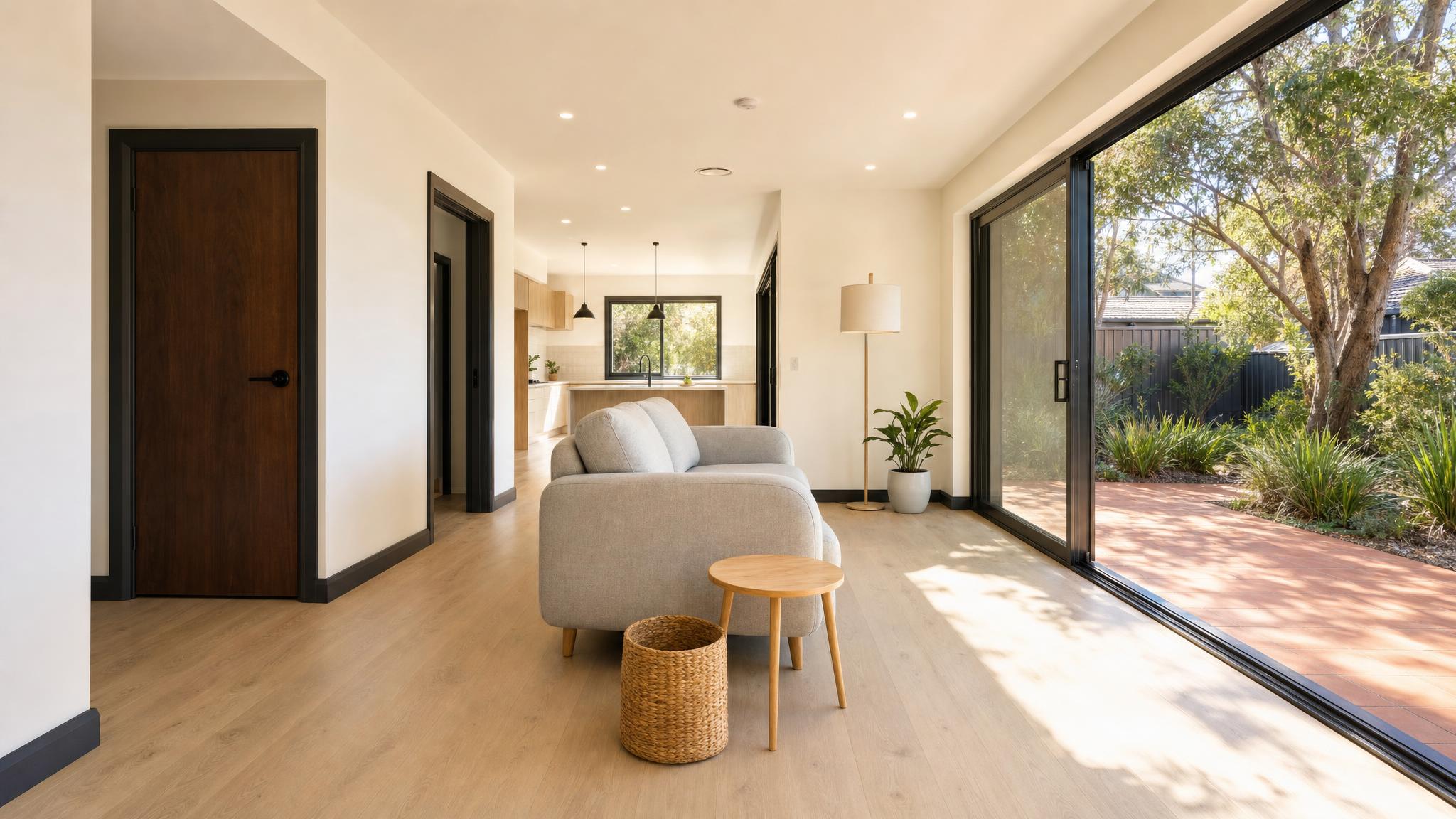
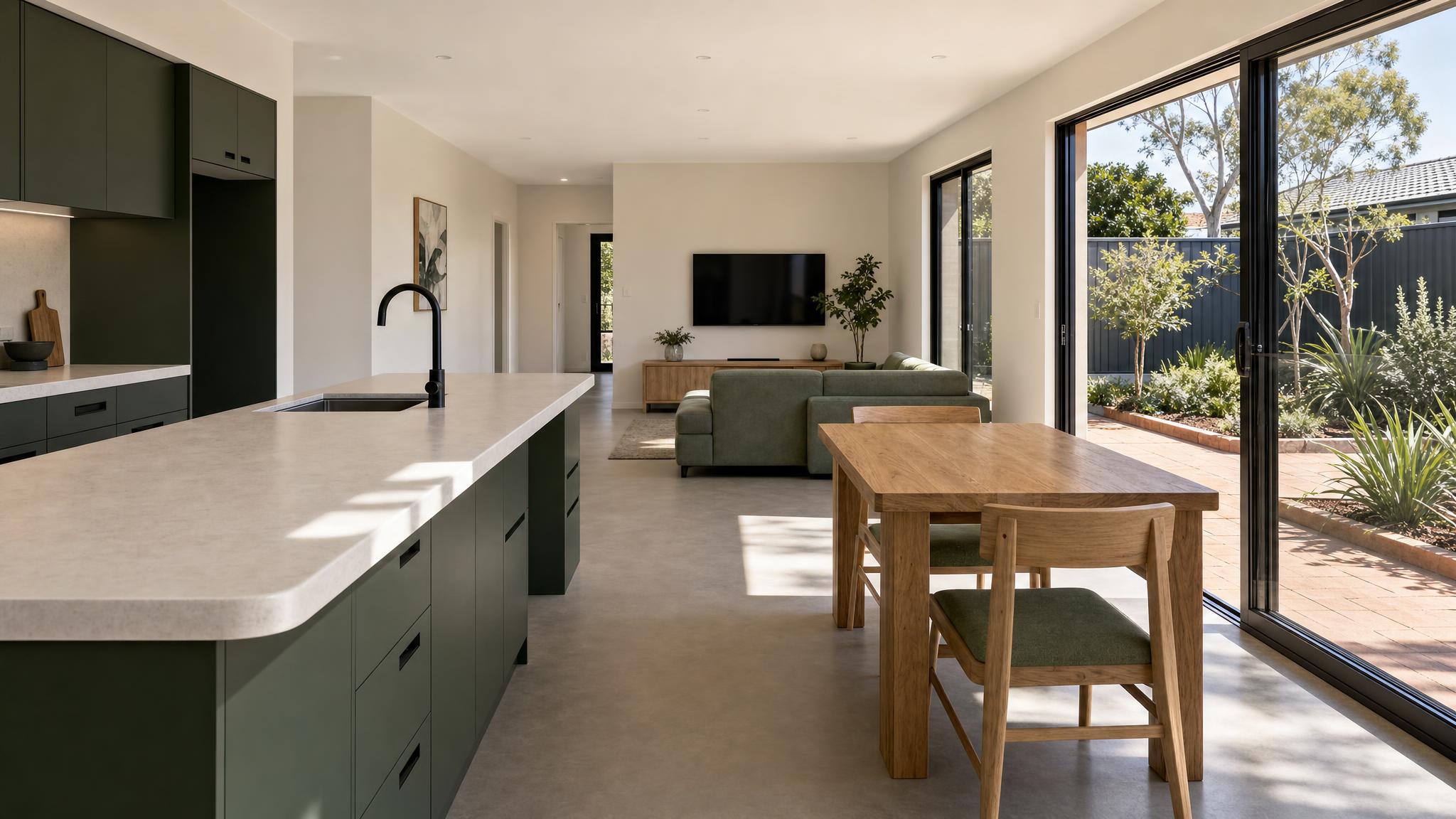
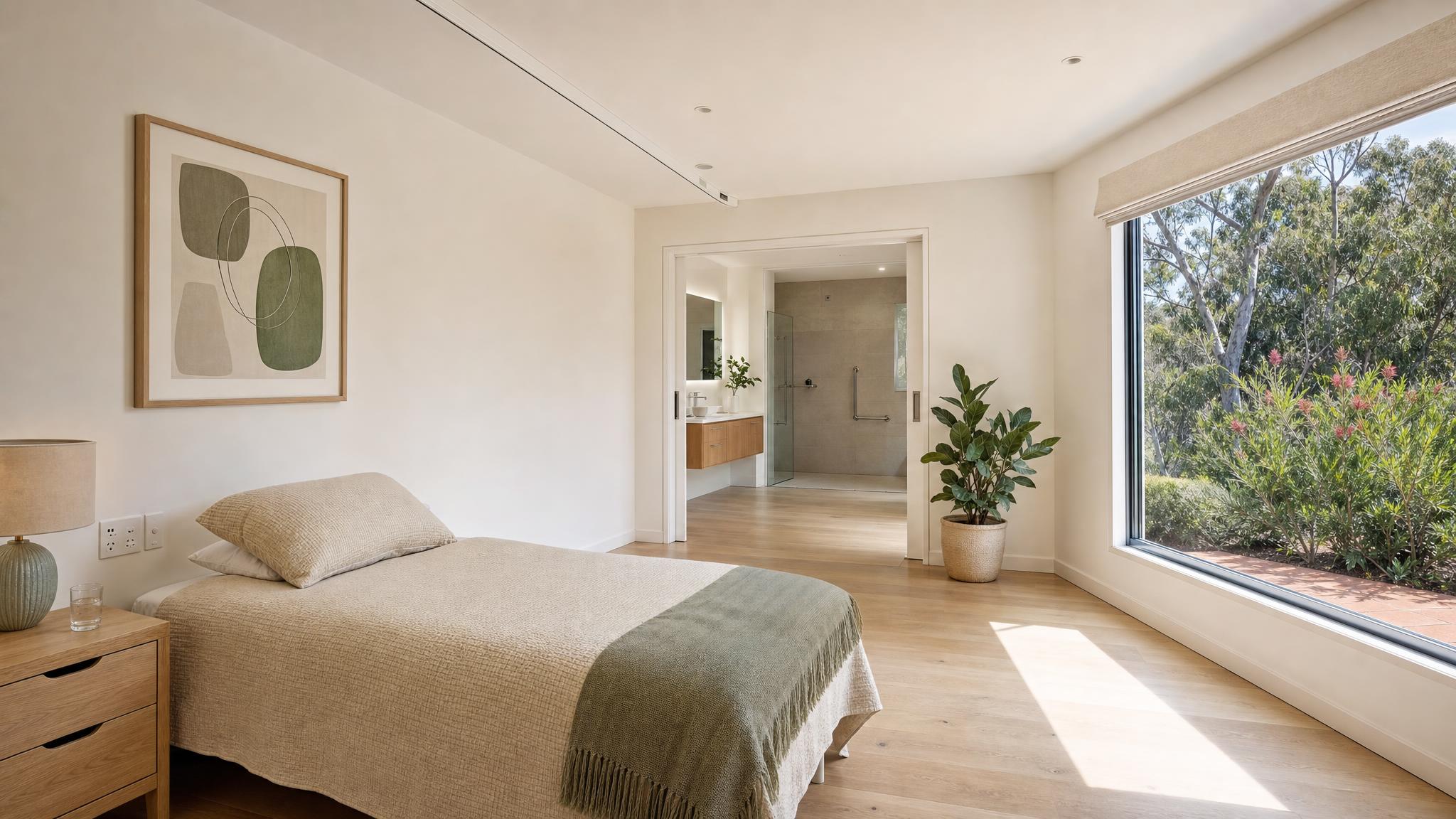
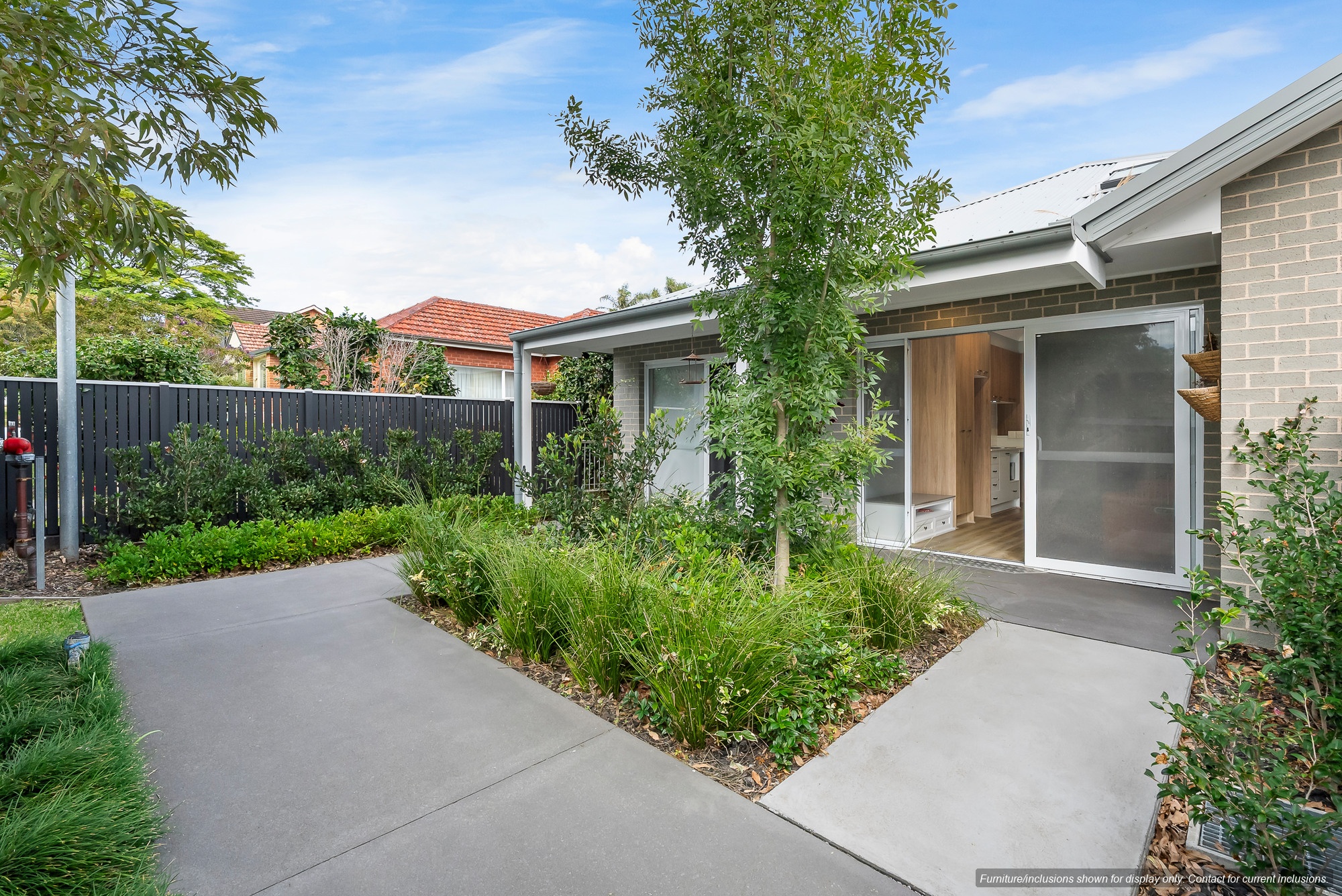
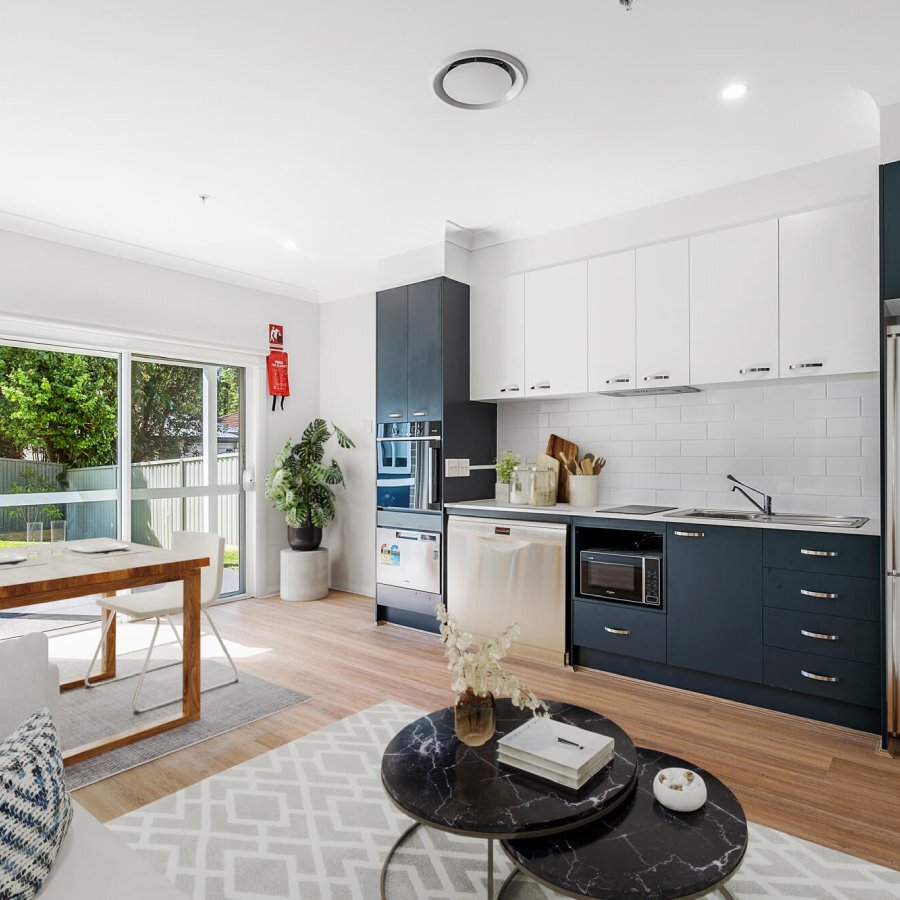
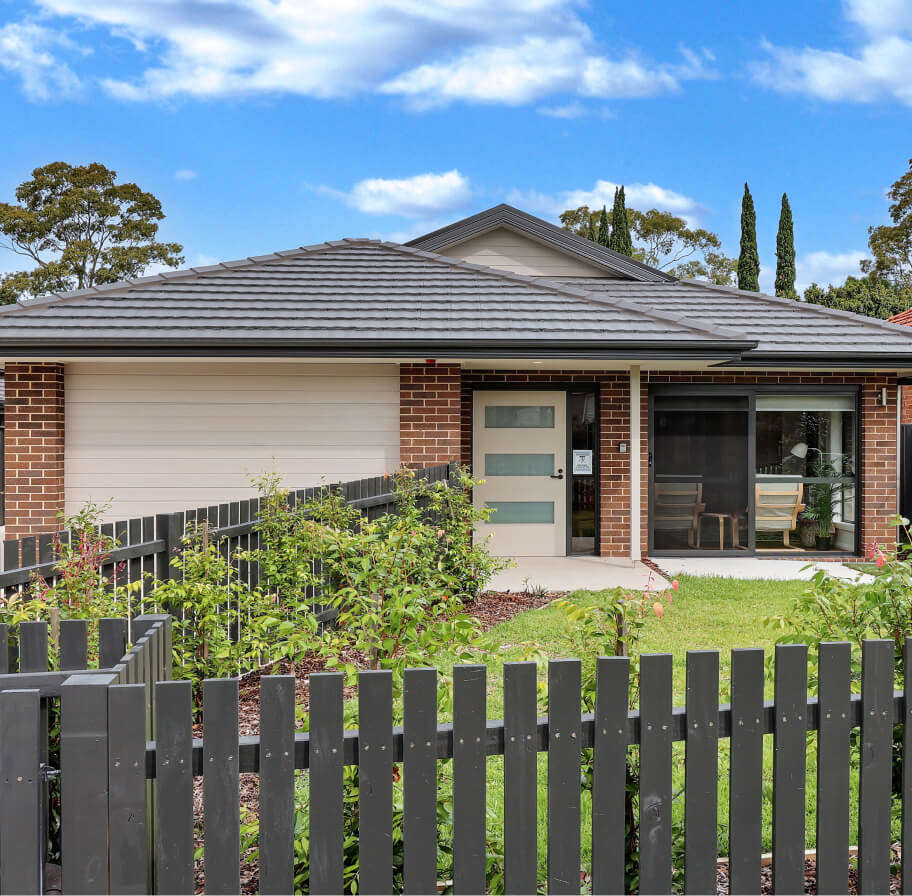
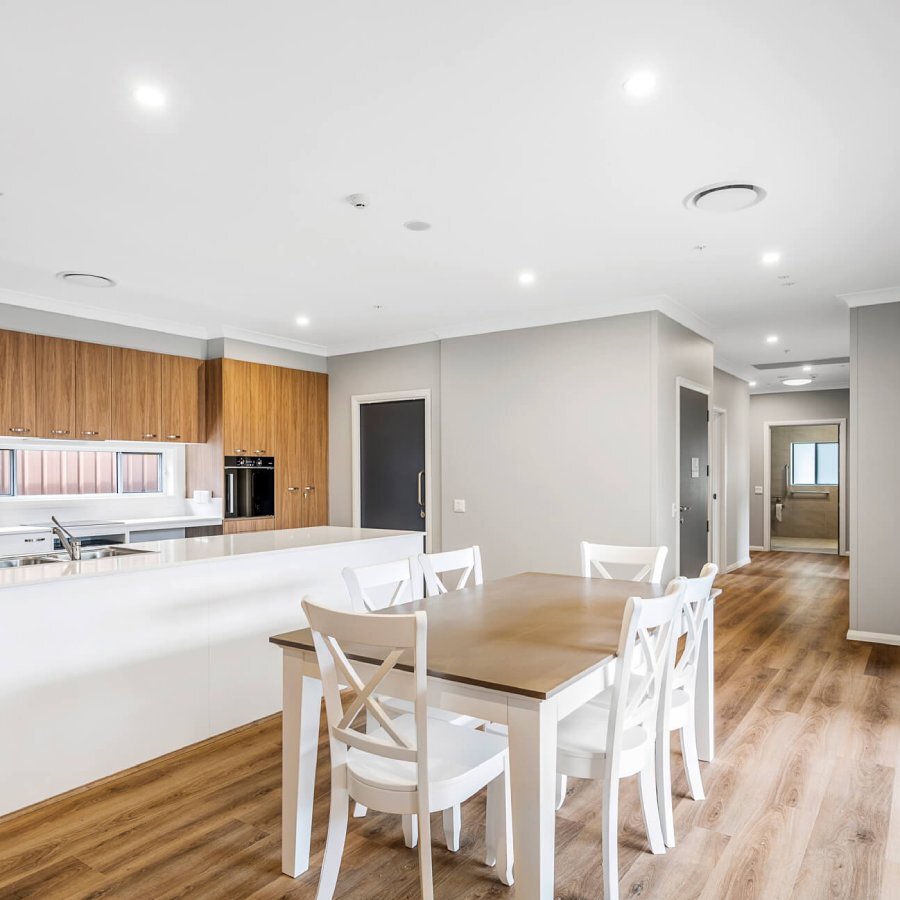
SDA differs from the family home and from a group home. Every SDA house is built to a set design standard and enrolled with the NDIS. Ours are single-storey villas and houses, one to three bedrooms, a bedroom each, in normal streets.
Be careful of any page that says this funding is easy to get. Only a small share of NDIS participants are funded for SDA. The NDIA decides, and it looks for extreme functional impairment or very high support needs. No provider can approve your child, and neither can we. The NDIS explains what Specialist Disability Accommodation is. Our SDA eligibility guide sets out the criteria, how to apply for SDA covers the paperwork, and our guide to moving into SDA handles the move. This page stays with the part only you can do: the decision.
There is no test that tells a parent it is time. Most families arrive at the question slowly, from a few different directions at once.
One direction is your son or daughter. They may be asking for more independence. They may be watching siblings or friends move out. They may be doing more for themselves than your home routine lets them show. The right home and the right support can grow those skills. Our page for NDIS participants is written for them rather than for you. It can be a good one to read together.
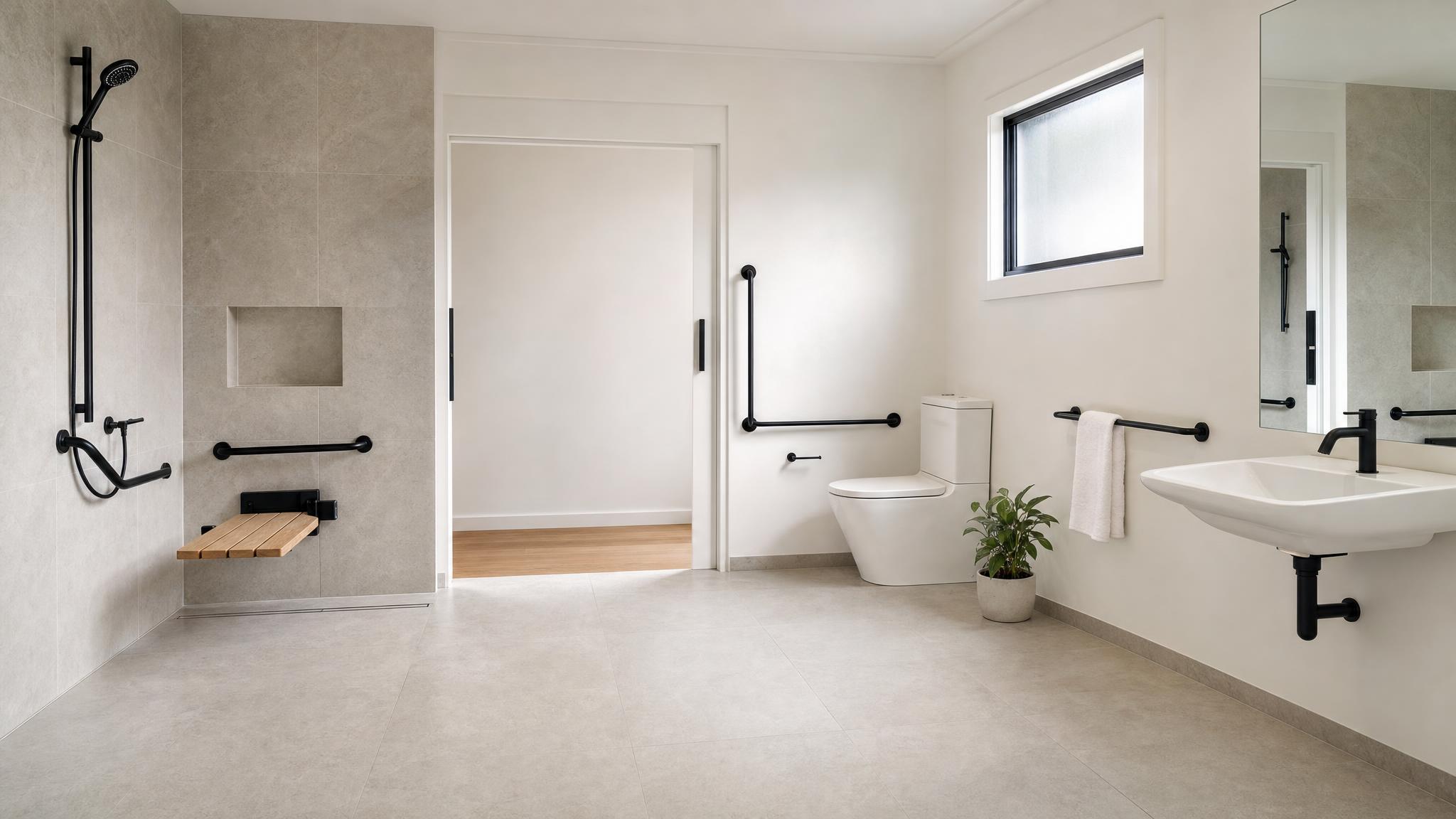
Another direction is the house itself. Family homes are rarely built for high support needs. Steps, narrow doorways, a bathroom that takes two people, a bedroom upstairs. Lifting and transferring gets harder every year for both of you. If the building is now the thing limiting your child, that is a housing problem, and SDA exists for housing problems.
The third direction is the one parents mention last, usually quietly. You will not always be here to do this. Planning a move while you are well and able to visit is one thing. A move that happens in a crisis is another. Families who plan early get to choose the home. They meet the housemates. They settle their child in while they are still close by. That is worth saying plainly, because it is the honest reason many parents start looking.
None of this means SDA is the answer for your family. Some people are better supported at home for longer. Some are better suited to other NDIS home and living options. SDA funding also reaches only a small number of participants. The option may simply not be there. Talk it through with your planner and your support coordinator. An occupational therapist can help too.
What we would gently push back on is deciding alone. Your son or daughter is an adult. NDIS practice puts the person at the centre of choices about where they live. There is good evidence for it too. People do better when they have a say in where they live and who they live with. Their say can look like many things. Words, signs, a device, photos of homes, a visit, or simply how settled they seem after a trial night. Start the conversation early and keep it going.
We are family-owned, so we know a move changes things for parents too. Relief and grief often arrive in the same week, and both are reasonable. We stay involved long after move-in day, and families deal with the same people year after year. Our page for parents and guardians explains how we support families through that change.
Have a Chat With UsDesign categories are where SDA for parents gets technical. Here is the plain version. SDA housing is grouped into four categories under the NDIS rules. Your child's plan is funded for one of them. Knowing which one narrows the search fast. A home built for one category will not suit another. Most Edenbridge Living residents are funded for Improved Liveability or Robust. Read our full guide to SDA design categories explained for the detail behind each one.

You are still their parent, and visiting is normal. Agree an early rhythm with the home, then adjust as your child settles. Some families visit weekly. Some keep a standing Sunday lunch. Birthdays, holidays and family events can carry on exactly as they always have. Ask how the home handles visitors before you sign anything. A good SDA home treats family as part of normal life.
Your child's daily support comes from the SIL provider. That is where most day-to-day talk happens. Ask who your named contact is. Ask how often you will hear from them. Ask how concerns get raised. Keep a note of what you agree. As the housing provider, we handle the building, repairs and tenancy. Knowing who does what saves a lot of stress early on.
Most homes run regular reviews. The participant, the SIL provider, the support coordinator and the family all take part. Ask to be invited, and ask that your son or daughter is in the room. Bring what you know. You have decades of information about sleep, pain signals, food, moods and what a bad day looks like. That knowledge does not pass on by itself. Share it on purpose.
Bring a list to every visit. The answers you get tell you a lot. So does the way they are given. These six questions are the ones parents most often tell us they wish they had asked earlier.
Ask for the SDA design category and the enrolment details for that exact home. A home enrolled as Improved Liveability will not suit someone funded for High Physical Support. Get this matched right at the start. It saves a lot of wasted effort later.
In a shared house this is the question that shapes daily life. Ask how a good match is worked out. Ask whether your son or daughter meets housemates first. Ask what happens if the mix is not working. Ask who makes the final call, and how much say your child has in it.
SDA and SIL are separate. Ask whether the provider expects you to use a set SIL provider. Confirm that your family is free to choose. Edenbridge Living works alongside whichever SIL provider you select. Ask how the two teams talk to each other.
Long-term security is one of the strongest arguments for SDA. Ask what the agreement says about notice and rent. Ask what happens if support needs change over time. Ask whether the home is designed for ageing in place, so the answer still holds in twenty years.
A broken hoist or a faulty door is a safety issue, not an inconvenience. Ask about response times. Ask who to call after hours. Ask how repairs get reported. Ask who pays for what. Ask how a family member can raise a maintenance issue directly with the housing provider.
An adult is presumed to make their own decisions. Supported decision-making is the expectation. That means giving your son or daughter the time, the facts and the help to say what they want. Formal guardianship is a separate legal matter. A tribunal decides it, and only where informal arrangements are not working. This page is general information and not legal advice. Get independent advice from NSW Trustee and Guardian or the NSW Civil and Administrative Tribunal.

This SDA guide for families maps the ten steps most parents move through. They rarely happen in a tidy line. Use it as a map rather than a timetable. Some steps take a fortnight and some take a year. A good support coordinator can carry a fair share of the load.
01Start the Conversation at Home | Talk with your son or daughter first, in whatever way works for them. Photos, visits and short trials often say more than questions do. Talk with siblings too. Write down what everyone wants and worries about. That list becomes the brief for everything that follows. |
02Get Independent Advice | Speak with your NDIS planner, a support coordinator and an occupational therapist. An OT assessment of function and housing need is usually the key piece of evidence. Independent advice matters here. A provider has an interest in the outcome. An assessor does not. |
03Understand the Eligibility Picture Honestly | Only a few NDIS participants get SDA funding. The evidence has to show very high support needs. It also has to show that housing design is the issue. Read our eligibility guide, then ask your planner directly whether your child’s evidence supports a request. |
04Explore All the Home and Living Options | SDA for adult children is one option among several. Weigh it against individualised living options, home changes, and staying put with more support. Ask what each would look like in practice for your child. A decision feels safer once you have genuinely considered the alternatives. |
05Request SDA in the NDIS Plan | Send the housing request with your evidence at a plan review. Your planner can also lodge it. Ask that the design category and preferred area be discussed. The NDIA makes the decision. If it is declined, you can ask for an internal review, usually with stronger evidence attached. |
06Shortlist Providers and Homes | Once funding is approved, look at homes that match the funded design category. Weigh up area, housemates, transport, and how far it sits from you. Distance matters more than families expect. Easy visiting is what keeps everyone close over the years. |
07Visit, and Take Your Child With You | Walk through the home together. Watch how your son or daughter responds to the space, the light, the noise and the people. Go twice if you can, at different times of day. How they react tells you what no brochure can. |
08Ask the Provider Hard Questions | Use the checklist further down this page. Ask about housemate matching, vacancies, repairs and tenancy. Ask what happens if it does not work out. A good provider will answer plainly and will not rush you towards a signature. |
09Plan the Move Slowly | Staged transitions work better than a single moving day. Short visits, then a meal, then an overnight stay, then a weekend. Our separate guide to moving into SDA has the full checklist. It covers service agreements, utilities and packing. |
10Review After Three Months, Then Again | Book a review a few weeks in, and another at three months. Ask what is working for your child, and not only what suits the roster. Supports can be adjusted. So can visiting arrangements. Nothing agreed at the start is fixed forever. |
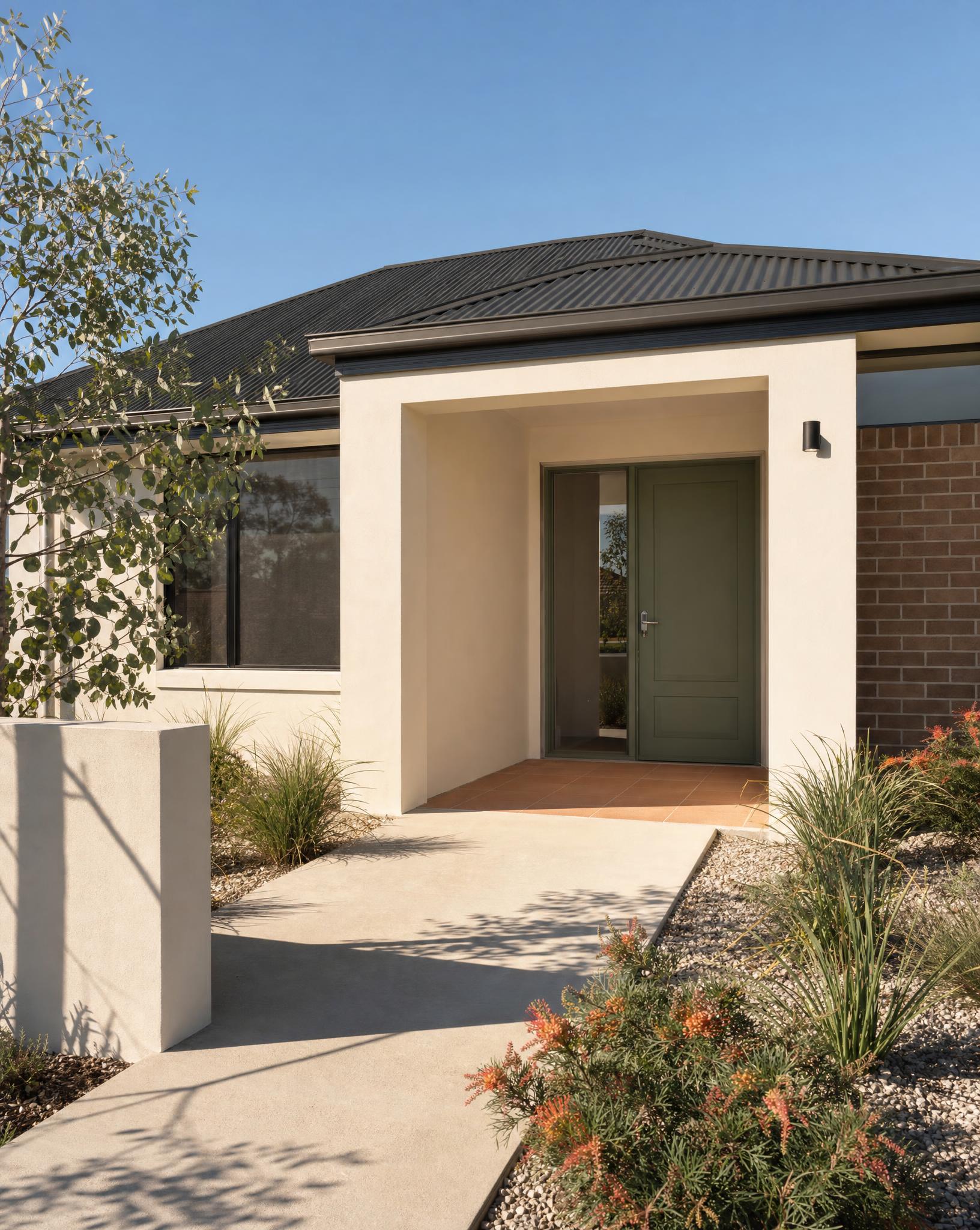
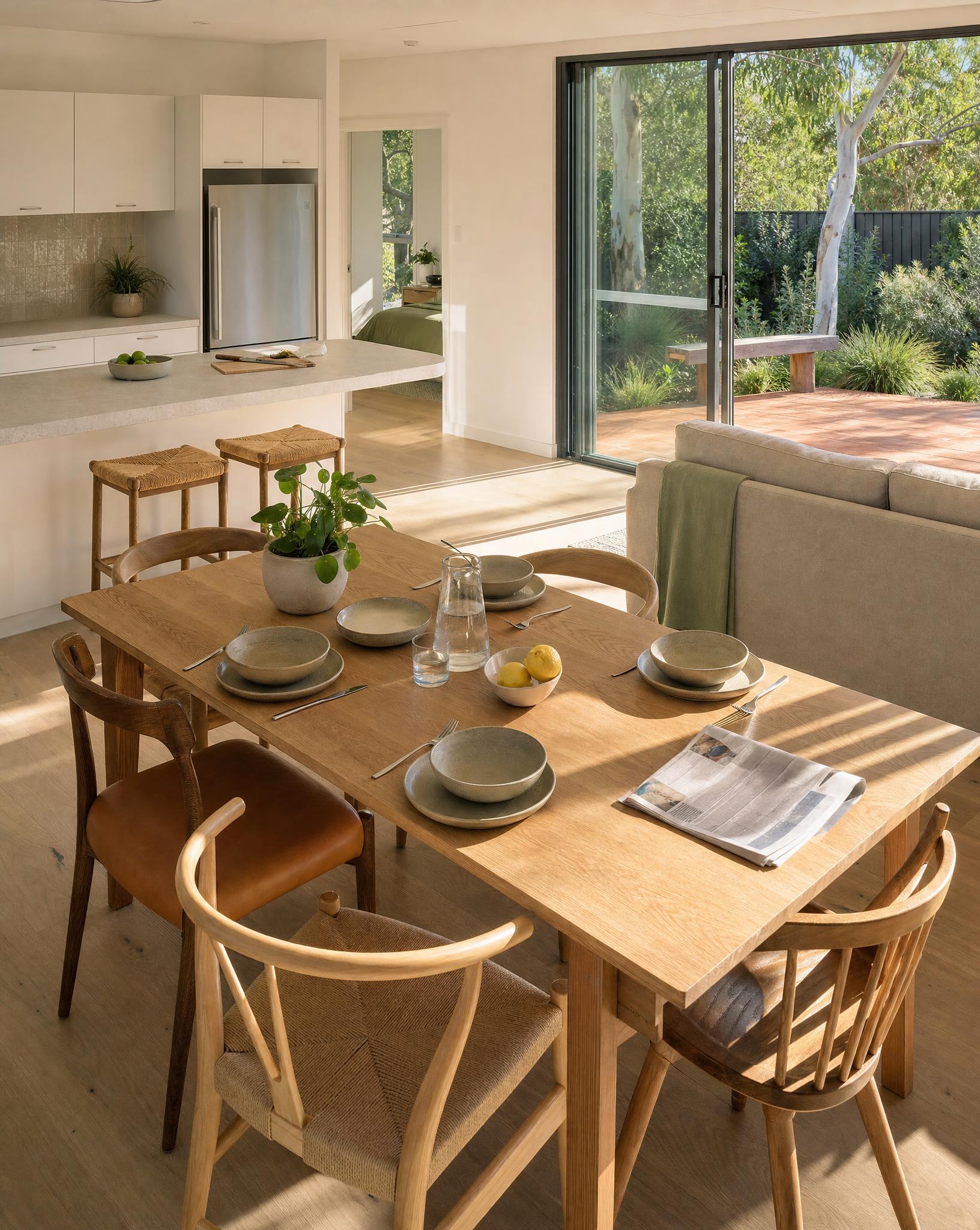
Families picture very different things when they hear the word housing. Edenbridge Living builds single-storey villas and houses in established Sydney suburbs. They look like the other homes in the street, because that is the point. You can read more about housing for intellectual disability in NSW, or look at what each option below involves.
We're proud to collaborate with leading organisations that share our vision of inclusivity and empowerment. If you have had a great experience with another particular support provider, please reach out to us to discuss how we may be able to collaborate. Together, we create a tapestry of support, enriching the lives of our residents.
Sunnyfield is a for-purpose organisation built on a heritage of community spirit, trust, inclusion and heart. Work, life or leisure, we support children, youth and adults with disability to build independence in every opportunity, find a place to call home, connect with their community and build skills for life.
Let’s work together to make bright futures for people with disability.

JewishCare NSW has been helping our community thrive since 1937. Our specialist teams provide community aged care, mental health, disability, and family and child services to ensure an inclusive and supported community.
We have subject matter experts in ageing, specifically in, home care packages and dementia, suicide prevention, domestic violence, NDIS and employment. We work with individuals, the Government, referrers, families and the community to build resilience for today and tomorrow.

Trusted Home Care are an established and sought after provider of in-home care services for the aged and disabled communities, on the NSW Central Coast and Northern Beaches of Sydney.
As a Registered NDIS Provider we offer a full suite of standard and complex support needs, accommodation options and coordination of supports. Our personable team strive to meet individual needs.

As one of Australia’s leading disability service providers, Aruma is dedicated to empowering the people we support to live life on their terms.
We support people to realise their goals and dreams – whether it’s moving out of home, finding a job they love, or becoming active members of the community.
For us, there’s nothing more satisfying than discovering where someone wants to go and supporting them in getting there.

My Independent Support (MIS) is a trusted, NDIS-registered organisation dedicated to delivering personalised, participant-focused support. We work independently alongside each individual to ensure their NDIS plan reflects their unique goals, preferences, and lifestyle.
At MIS, we believe that no two journeys are the same — that’s why we take the time to truly understand each participant’s needs and tailor our support accordingly. Whether it’s helping you build capacity, navigate services, or connect with the right providers, our team is here to empower you every step of the way.
We’re proud to collaborate with Edenbridge Living while maintaining our independent approach, ensuring participants receive holistic, high-quality support without bias or conflict of interest.
For over 70 years, Achieve Australia has worked alongside people with disability to live on their own terms. In Greater Sydney, the Northern Rivers and South East Queensland, we offer independent living services that suit different goals and stages of life. We add to this with Community Participation and Community Lifestyle programs, pathways to employment and clinical supports when they’re needed. The aim is simple: true inclusion, real choice, everyday independence and a genuine sense of belonging.

Sunnyfield is a for-purpose organisation built on a heritage of community spirit, trust, inclusion and heart. Work, life or leisure, we support children, youth and adults with disability to build independence in every opportunity, find a place to call home, connect with their community and build skills for life.
Let’s work together to make bright futures for people with disability.
JewishCare NSW has been helping our community thrive since 1937. Our specialist teams provide community aged care, mental health, disability, and family and child services to ensure an inclusive and supported community.
We have subject matter experts in ageing, specifically in, home care packages and dementia, suicide prevention, domestic violence, NDIS and employment. We work with individuals, the Government, referrers, families and the community to build resilience for today and tomorrow.
Trusted Home Care are an established and sought after provider of in-home care services for the aged and disabled communities, on the NSW Central Coast and Northern Beaches of Sydney.
As a Registered NDIS Provider we offer a full suite of standard and complex support needs, accommodation options and coordination of supports. Our personable team strive to meet individual needs.
As one of Australia’s leading disability service providers, Aruma is dedicated to empowering the people we support to live life on their terms.
We support people to realise their goals and dreams – whether it’s moving out of home, finding a job they love, or becoming active members of the community.
For us, there’s nothing more satisfying than discovering where someone wants to go and supporting them in getting there.
My Independent Support (MIS) is a trusted, NDIS-registered organisation dedicated to delivering personalised, participant-focused support. We work independently alongside each individual to ensure their NDIS plan reflects their unique goals, preferences, and lifestyle.
At MIS, we believe that no two journeys are the same — that’s why we take the time to truly understand each participant’s needs and tailor our support accordingly. Whether it’s helping you build capacity, navigate services, or connect with the right providers, our team is here to empower you every step of the way.
We’re proud to collaborate with Edenbridge Living while maintaining our independent approach, ensuring participants receive holistic, high-quality support without bias or conflict of interest.
For over 70 years, Achieve Australia has worked alongside people with disability to live on their own terms. In Greater Sydney, the Northern Rivers and South East Queensland, we offer independent living services that suit different goals and stages of life. We add to this with Community Participation and Community Lifestyle programs, pathways to employment and clinical supports when they’re needed. The aim is simple: true inclusion, real choice, everyday independence and a genuine sense of belonging.
Support Coordinator
Support Coordinator
Support Coordinator
SDA stands for Specialist Disability Accommodation. It is purpose-built housing funded through the NDIS for people with extreme functional impairment or very high support needs. SDA pays for the home itself, including its accessible design, its maintenance and a long-term tenancy. It does not pay for support workers. The simplest way for a parent to hold it in mind is this. SDA is the house, and Supported Independent Living is the help inside it.
We cannot tell you that, and no provider can. The National Disability Insurance Agency decides SDA eligibility as part of a participant’s plan. SDA is funded for a small share of NDIS participants, based on evidence of extreme functional impairment or very high support needs. An occupational therapist assessment is usually the key piece of evidence. Speak with your planner, Local Area Coordinator or support coordinator, and read our SDA eligibility guide for the criteria.
There is no test that answers this. Most families notice a few things at once. Your son or daughter may be asking for more independence. The family home may no longer be safe for lifting or transferring. You may be thinking about the years ahead and who will be there. Talk it through with your child, your planner and an occupational therapist before you settle on anything.
Their view matters enormously. An adult is presumed to make their own decisions, and NDIS practice expects the person to be at the centre of decisions about where they live. Supported decision-making means giving them the time, information and help to express what they want. That may come through words, signs, a device, photos or a trial visit. Formal guardianship is a separate legal matter decided by a tribunal, so get independent advice if that question arises.
SDA funds the dwelling. SIL funds the people who provide daily support inside it. The two are funded separately in an NDIS plan and are usually delivered by different organisations. Edenbridge Living is the SDA provider, so we handle the building, maintenance and tenancy. Your family chooses the SIL provider. Ask both organisations how they communicate with each other, because good coordination makes the first few months far smoother.
Yes. You are still their parent, and family involvement is a normal part of a good SDA home. Agree an early visiting rhythm with the home, then adjust it as your child settles. Ask to be included in care team meetings and reviews, and ask that your son or daughter is in the room as well. Birthdays, holidays and family events can carry on exactly as they always have.
The NDIS pays the SDA provider for the home. Your son or daughter pays a reasonable rent contribution plus everyday living costs such as electricity, food and internet. That contribution is an agreed amount paid directly to the SDA provider. Families are not expected to fund the dwelling itself. Ask any provider to set out the rent contribution and what it includes in writing, before anything is signed.
Start with the design category the home is enrolled for, because it needs to match your child’s funded category. Then ask how housemates are matched, who provides the daily support, how secure the tenancy is, and how maintenance and after-hours repairs are handled. Ask what happens if the arrangement does not work out. A good provider answers plainly and gives you time to think.
Still have questions about SDA for parents? Speak with our team.
At Edenbridge Living, we go the extra mile to ensure each of our Specialist Disability Accommodation (SDA) homes have the following attributes: