Local Experts
We are a Sydney-based family office and SDA provider with strong local knowledge and experience in NSW.
Your Step-by-Step Guide to a Calm, Well-Planned Move
Moving into SDA is a big step, and this guide walks you through every part of it. Specialist Disability Accommodation (SDA) is purpose-built housing funded through the NDIS for people with high support needs. It covers what to do before you move, a practical move-in checklist, and how to settle in once you have your keys. Whether you are an NDIS participant, a family member, or a support coordinator, you will find clear steps to make the move calmer and better organised.


Edenbridge Living is a registered NDIS provider. We develop, own, and manage Specialist Disability Accommodation across Sydney. This guide covers the move from start to finish, written from hands-on experience helping residents and families settle in. Use it as a friendly reference, not clinical or financial advice. Your planner or support coordinator can confirm anything specific to your situation.
This guide is for anyone involved in the move to an SDA home. That includes NDIS participants, their families, and the professionals who support them. If you are a participant, our page for NDIS participants explains how we work. Families and guardians can read more on our page for parents and guardians. If you have not secured housing funding yet, start with our guide on how to apply for SDA. Wherever you are in the process, the steps below will help you feel prepared.
Before your move, it helps to understand what you are moving into. SDA is the physical home. It is specialist housing designed for people with very high support needs. The NDIS funds it. The support you receive inside that home is separate. That support is often funded as Supported Independent Living, or SIL. SDA pays for the dwelling. SIL pays for the people who help you day to day. The two are funded separately, so it is worth knowing which provider handles each part. Your NDIS plan also lists the design category you are funded for. Check that the home matches that category and suits your daily needs. Think about bedrooms, bathrooms, and accessibility features. Also think about whether you prefer your own space or a shared home. It helps to confirm your funding before you commit. Eligibility and funding are decided by the NDIA. Your planner or support coordinator can confirm your options. For a plain-English overview, read our SDA eligibility guide.
Your move does not have to happen all at once. Many people visit their new home several times before moving day. You can meet support workers, spend time in the space, and adjust slowly. A calm, staged approach helps everyone feel ready. There is no single right timeline. Go at the pace that suits you and your household.
Plan Your MoveAs you plan your move, it helps to know the design categories. SDA housing is grouped into four categories under the NDIS design rules. Your plan is funded for one category. Knowing yours helps you choose a home that fits. Here is a quick summary of each one.
The first few weeks after you move in are about finding your rhythm. Set up regular times for meals, activities, and rest. A predictable routine helps you feel settled and in control. Support workers can help you shape a daily plan that works for you. Small, steady habits make a new home feel familiar faster.
You do not have to rush new relationships. If you live in a shared home, take time to meet your housemates. Say hello to neighbours when you feel ready. Local shops, parks, and community groups are good places to connect. Feeling part of a community is one of the best parts of a new home.
A home feels like yours when it reflects you. Bring familiar items, photos, and furniture where the home allows. Choose colours, bedding, and small touches you love. Personalising your room or villa helps you relax and settle. Ask your provider what changes are possible before you decorate.
Once you have moved in, it is time to get your supports running smoothly. Good support setup helps you feel safe and independent from the start. Here are the main things to organise in your first few weeks.
SIL support is a big part of settling in. Work with your SIL provider to set a support roster. Agree on which hours and tasks you need help with. A clear roster means the right support is there when you need it.
Family, friends, and community can play a role too. They matter a lot during the move. Note who helps with what, and how to reach them. Informal supports work best alongside your funded supports.
Your support coordinator can help during and after your move. Ask them to check in through the first few weeks. They can sort out any gaps between your SDA and SIL providers.
Make a simple list of emergency contacts for the home. Include your providers, key family members, and health services. Keep it somewhere easy to find. Share it with support workers.
Update your GP, pharmacy, and any therapists with your new address. Arrange how therapy and health visits will happen at the home. Continuity of care matters after you move.
Book a check-in to review how your supports are working. Adjust rosters or services if your needs change. Regular reviews keep your support aligned with your goals.
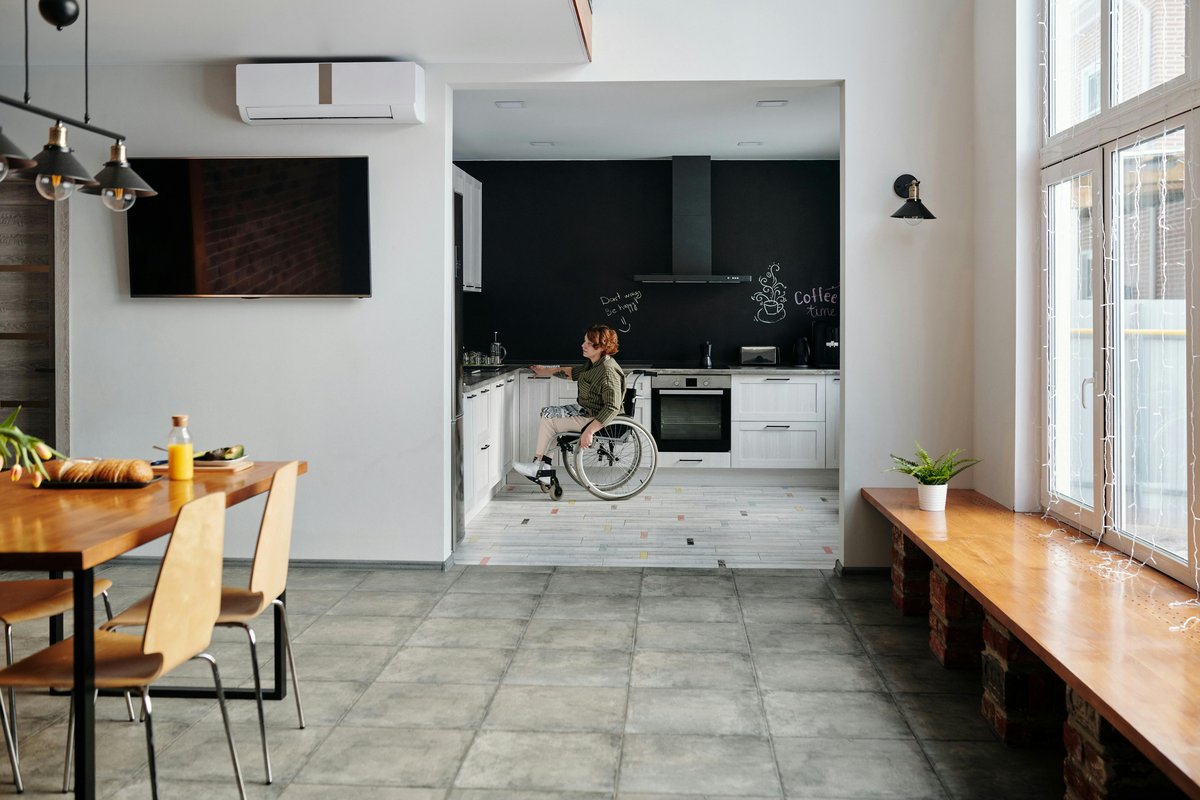
Moving into SDA runs more smoothly with a clear plan. This checklist explains the SDA move in process from start to finish. It breaks the move into ten simple steps. Work through it in order. Lean on your support coordinator for help along the way.
01Confirm Your Funding and Agreements | Check that SDA is funded in your NDIS plan. If you need daily support, confirm that SIL is funded too. Your planner or support coordinator can verify what is included. Sorting this out early makes the whole move smoother. |
02Sign Your SDA and SIL Service Agreements | When you move, you will sign an SDA agreement with your housing provider. This covers your tenancy, rent contribution, and responsibilities. If you receive daily support, you will also sign a SIL service agreement. Read both carefully. Ask questions before you sign. |
03Coordinate Your SDA and SIL Providers | SDA and SIL are usually delivered by different providers. It helps when they talk to each other before you move. Ask your support coordinator to arrange a handover between them. Good coordination means your support is ready from day one. |
04Give Notice on Your Current Housing | If you are leaving a rental or other accommodation, give proper notice. Check the notice period in your current agreement. Line up your move-out date with your move-in date where possible. This helps you avoid paying for two homes at once. |
05Confirm OT Sign-Off and Home Features | An occupational therapist often confirms that the home suits your needs. Check that any modifications or assistive technology are finished. Walk through the home and test key features before moving day. This is an important step to get right. Raise anything that needs fixing early. |
06Set Up Utilities and Update Your Address | Sorting utilities is a key step in the move. Arrange electricity, gas, water, and internet before you move. Set up connection for your move-in date so the home is ready. Update your address with Centrelink, Medicare, and your bank. Ask Services Australia about Rent Assistance, as your payments may change. |
07Plan Packing and Assistive Technology Transfer | Packing is a big job, so start early and label boxes by room. Plan how assistive technology and equipment will move safely. Some removalists specialise in accessible moves and delicate equipment. A clear packing plan makes moving day calmer. |
08Moving Day and Key Handover | On moving day, your provider will arrange key handover in person. They will walk you through the home and its important details. Check that utilities are on and the home is clean and ready. This is the day your new home comes to life. Take your time. Unpack the essentials first. |
09Your First Week Settling In | Your first week is about getting comfortable. Set up your bedroom, kitchen basics, and daily supports. Meet your support workers and share your routine and preferences. It is normal for a new home to feel unfamiliar at first. |
10Review and Adjust After You Move In | After a few weeks, review how the move is going. Talk to your provider and support coordinator about what is working. Adjust your supports or routine if something needs to change. A short review helps you settle in for the long term. |
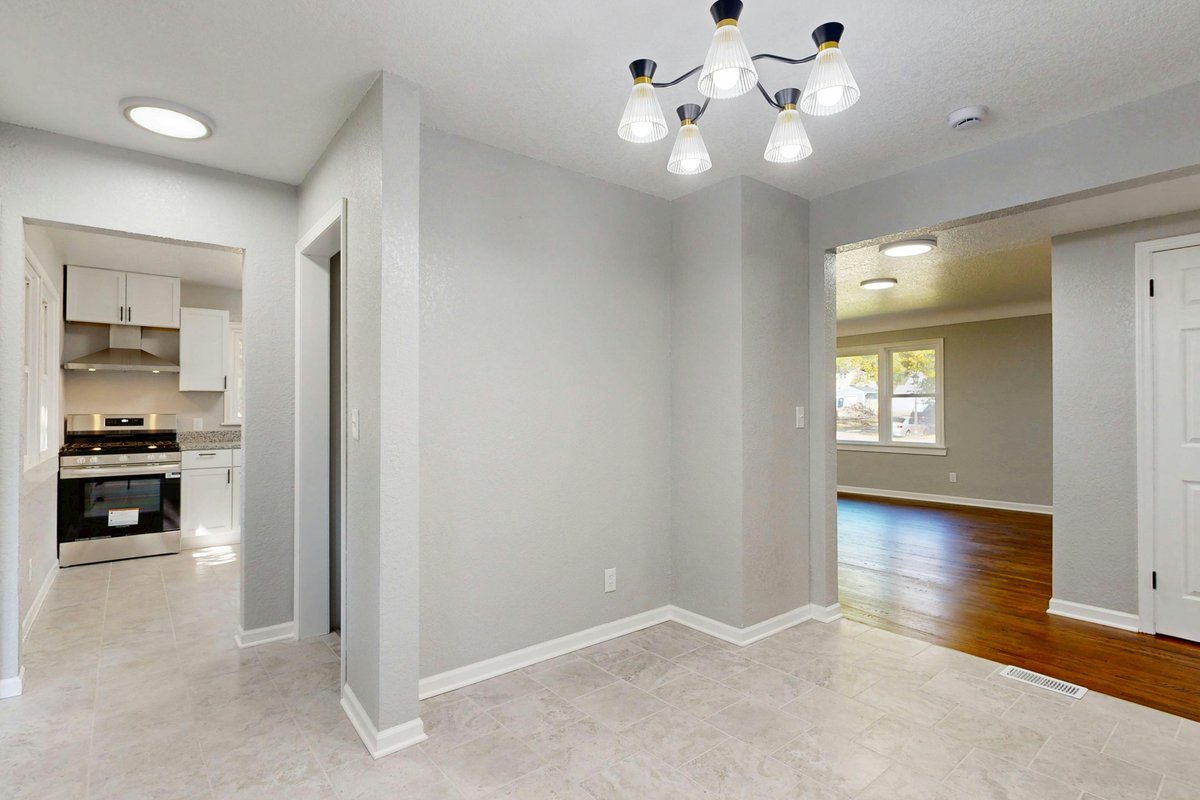
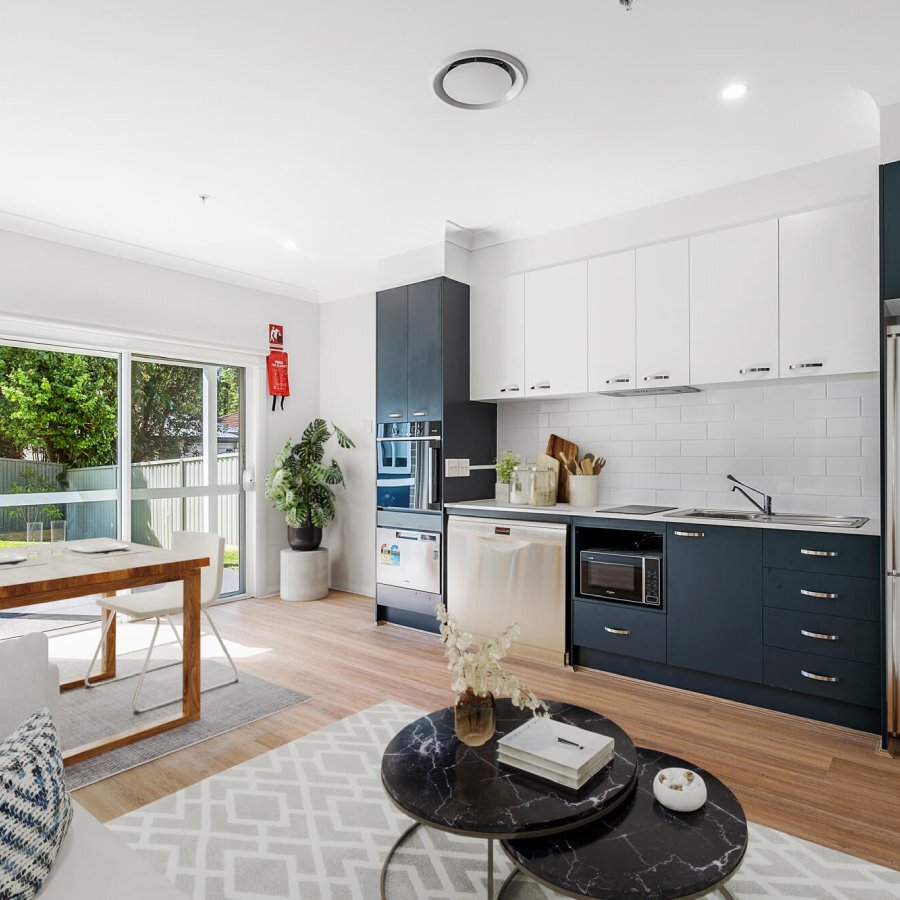
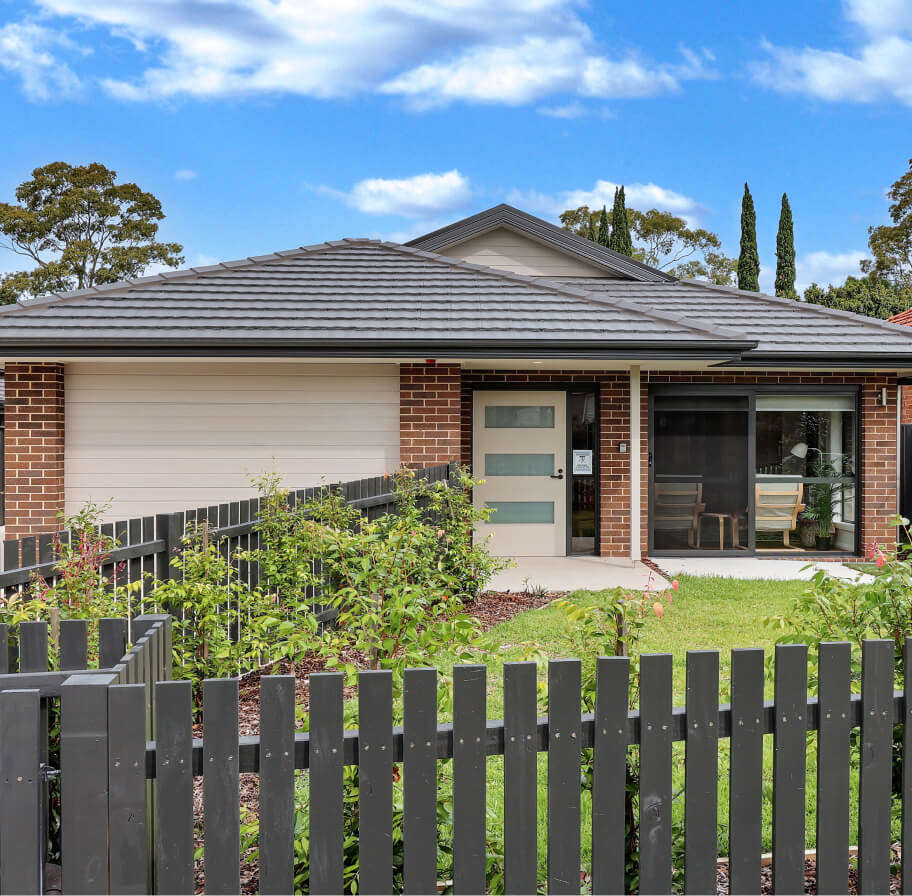
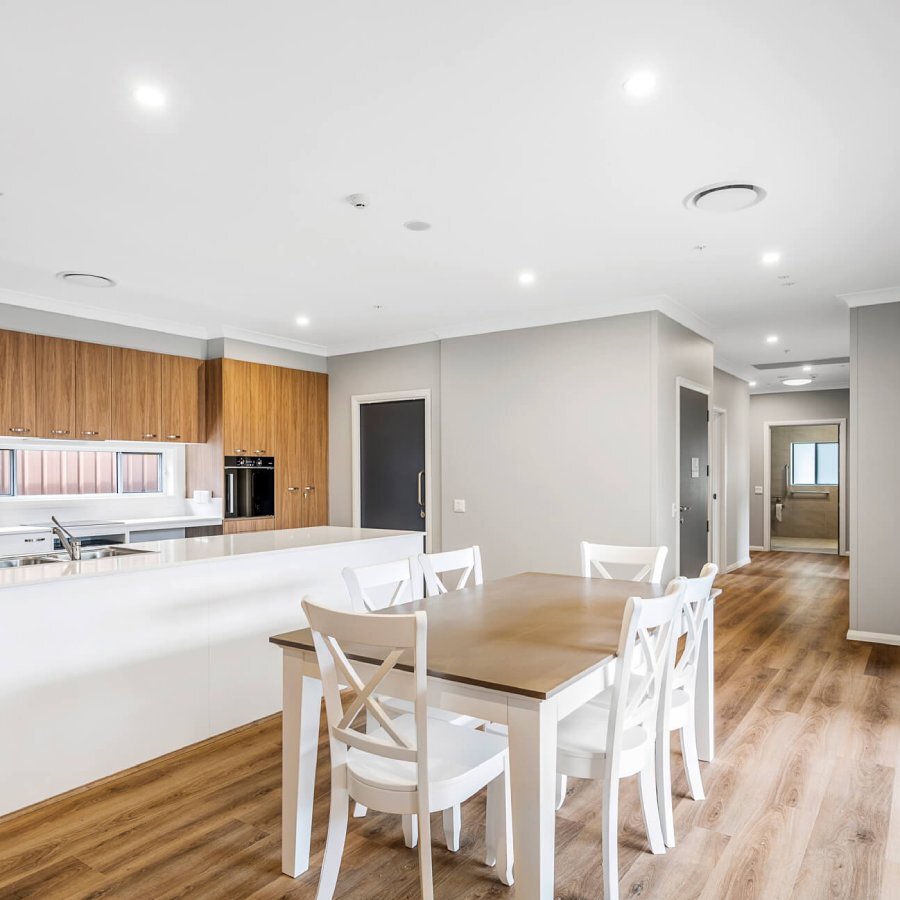
SDA homes come in different layouts to suit different needs. Edenbridge Living offers single-storey villas and houses. Picture the kind of home you want when moving into SDA. Here is a quick look at both.

We're proud to collaborate with leading organisations that share our vision of inclusivity and empowerment. If you have had a great experience with another particular support provider, please reach out to us to discuss how we may be able to collaborate. Together, we create a tapestry of support, enriching the lives of our residents.
Sunnyfield is a for-purpose organisation built on a heritage of community spirit, trust, inclusion and heart. Work, life or leisure, we support children, youth and adults with disability to build independence in every opportunity, find a place to call home, connect with their community and build skills for life.
Let’s work together to make bright futures for people with disability.

JewishCare NSW has been helping our community thrive since 1937. Our specialist teams provide community aged care, mental health, disability, and family and child services to ensure an inclusive and supported community.
We have subject matter experts in ageing, specifically in, home care packages and dementia, suicide prevention, domestic violence, NDIS and employment. We work with individuals, the Government, referrers, families and the community to build resilience for today and tomorrow.

Trusted Home Care are an established and sought after provider of in-home care services for the aged and disabled communities, on the NSW Central Coast and Northern Beaches of Sydney.
As a Registered NDIS Provider we offer a full suite of standard and complex support needs, accommodation options and coordination of supports. Our personable team strive to meet individual needs.

As one of Australia’s leading disability service providers, Aruma is dedicated to empowering the people we support to live life on their terms.
We support people to realise their goals and dreams – whether it’s moving out of home, finding a job they love, or becoming active members of the community.
For us, there’s nothing more satisfying than discovering where someone wants to go and supporting them in getting there.

My Independent Support (MIS) is a trusted, NDIS-registered organisation dedicated to delivering personalised, participant-focused support. We work independently alongside each individual to ensure their NDIS plan reflects their unique goals, preferences, and lifestyle.
At MIS, we believe that no two journeys are the same — that’s why we take the time to truly understand each participant’s needs and tailor our support accordingly. Whether it’s helping you build capacity, navigate services, or connect with the right providers, our team is here to empower you every step of the way.
We’re proud to collaborate with Edenbridge Living while maintaining our independent approach, ensuring participants receive holistic, high-quality support without bias or conflict of interest.
For over 70 years, Achieve Australia has worked alongside people with disability to live on their own terms. In Greater Sydney, the Northern Rivers and South East Queensland, we offer independent living services that suit different goals and stages of life. We add to this with Community Participation and Community Lifestyle programs, pathways to employment and clinical supports when they’re needed. The aim is simple: true inclusion, real choice, everyday independence and a genuine sense of belonging.

Sunnyfield is a for-purpose organisation built on a heritage of community spirit, trust, inclusion and heart. Work, life or leisure, we support children, youth and adults with disability to build independence in every opportunity, find a place to call home, connect with their community and build skills for life.
Let’s work together to make bright futures for people with disability.
JewishCare NSW has been helping our community thrive since 1937. Our specialist teams provide community aged care, mental health, disability, and family and child services to ensure an inclusive and supported community.
We have subject matter experts in ageing, specifically in, home care packages and dementia, suicide prevention, domestic violence, NDIS and employment. We work with individuals, the Government, referrers, families and the community to build resilience for today and tomorrow.
Trusted Home Care are an established and sought after provider of in-home care services for the aged and disabled communities, on the NSW Central Coast and Northern Beaches of Sydney.
As a Registered NDIS Provider we offer a full suite of standard and complex support needs, accommodation options and coordination of supports. Our personable team strive to meet individual needs.
As one of Australia’s leading disability service providers, Aruma is dedicated to empowering the people we support to live life on their terms.
We support people to realise their goals and dreams – whether it’s moving out of home, finding a job they love, or becoming active members of the community.
For us, there’s nothing more satisfying than discovering where someone wants to go and supporting them in getting there.
My Independent Support (MIS) is a trusted, NDIS-registered organisation dedicated to delivering personalised, participant-focused support. We work independently alongside each individual to ensure their NDIS plan reflects their unique goals, preferences, and lifestyle.
At MIS, we believe that no two journeys are the same — that’s why we take the time to truly understand each participant’s needs and tailor our support accordingly. Whether it’s helping you build capacity, navigate services, or connect with the right providers, our team is here to empower you every step of the way.
We’re proud to collaborate with Edenbridge Living while maintaining our independent approach, ensuring participants receive holistic, high-quality support without bias or conflict of interest.
For over 70 years, Achieve Australia has worked alongside people with disability to live on their own terms. In Greater Sydney, the Northern Rivers and South East Queensland, we offer independent living services that suit different goals and stages of life. We add to this with Community Participation and Community Lifestyle programs, pathways to employment and clinical supports when they’re needed. The aim is simple: true inclusion, real choice, everyday independence and a genuine sense of belonging.
Support Coordinator
Support Coordinator
Support Coordinator
There is no fixed timeline for moving into SDA. It depends on your NDIS plan, funding approval, and the home you choose. Some moves happen within a few weeks, while others take a few months. The process is generally faster once SDA is funded in your plan and a suitable home is available. Your support coordinator can help you plan a realistic timeframe for your situation.
SDA and SIL are funded separately and cover different things. SDA is the home itself. It is purpose-built housing funded through the NDIS for people with high support needs. SIL, or Supported Independent Living, is the day-to-day support delivered inside that home. In short, SDA pays for the dwelling and SIL pays for the people who help you. Many participants have both in their NDIS plan.
Before moving into SDA, confirm that SDA is funded in your NDIS plan. Check that the home matches your approved design category. Sign your SDA agreement, and your SIL agreement if you need daily support. Give notice on your current housing, set up utilities, and update your address. It also helps to visit the home, meet the team, and confirm any modifications are finished before moving day.
Not always. SDA covers the home, while SIL covers daily support. Some residents need regular support and have SIL funded in their plan. Others manage with less support or use different NDIS supports. Whether you need SIL depends on your individual needs and goals. Your planner or support coordinator can help you work out the right support arrangement for your new home.
A good SDA move in process covers a few key steps. Confirm your funding and sign your agreements. Coordinate your SDA and SIL providers. Give notice on your current home, set up utilities, and update your address. Plan your packing and the transfer of any assistive technology. Arrange key handover for moving day. Finally, settle in during the first week and review how things are going after a few weeks.
Several people can support you through the move. Your support coordinator can guide the whole process and coordinate your providers. Your SDA provider handles the home and key handover. Your SIL provider sets up daily support. Family, friends, and informal supports can help with packing and settling in. If you feel stuck, you can also contact your NDIS planner or an advocacy service for guidance.
Have more questions about moving into SDA? Contact our team to plan your move.
At Edenbridge Living, we go the extra mile to ensure each of our Specialist Disability Accommodation (SDA) homes have the following attributes: