Local Experts
We are a Sydney-based family office and SDA provider with strong local knowledge and experience in NSW.
Find a Home Built Around Calm, Routine and Food Security
Looking for Prader-Willi syndrome accommodation in New South Wales? Edenbridge Living builds, owns and runs SDA homes across Sydney and NSW. That includes the Central Coast. Our focus is housing for people with a cognitive impairment or intellectual disability. In Prader-Willi syndrome, the home matters a great deal. Layout, storage and clear sight lines all help. So does a calm, steady setting. The daily food routine is set by the person, their family and their support team. We build the home that fits it. Explore our Improved Liveability SDA homes to see how it works.

Edenbridge Living is a registered NDIS provider of Specialist Disability Accommodation. We provide the home. We work alongside the support providers you choose. Every home is built for comfort, safety and the long term.
Edenbridge Living provides SDA homes across Sydney and NSW. We build for NDIS participants with a cognitive impairment or intellectual disability. That includes people living with Prader-Willi syndrome, Down syndrome, autism and acquired brain injury. We build in the Improved Liveability and Robust design categories. Every home is single-storey. Every home is made for safe, long-term living. We are family owned, and we stay with each resident well beyond one funding cycle. Prader-Willi syndrome accommodation sits within that same design approach. You can also read about our housing for people with intellectual disability and our cognitive impairment accommodation across NSW.
Prader-Willi syndrome is a genetic condition. It comes from missing genes on the copy of chromosome 15 passed on by the father. That is the account given by the Victorian Government’s Better Health Channel. We are a housing provider, so the clinical picture belongs to the person’s own health team. We set it out here because it explains why the building matters.
The best known feature is a strong, constant hunger. Doctors call it hyperphagia. Better Health Channel notes that this appetite usually shows up by about five years of age. It can lead to obesity if it is not carefully managed. Many people with the syndrome also have a mild intellectual disability, low muscle tone and a strong need for steady routine.
Clinical studies also report altered temperature control, a high pain threshold and broken sleep. Those are medical matters for a treating team. For a home, they point to simple things. Good heating and cooling. Quiet bedrooms. Layouts that let support workers stay close by.
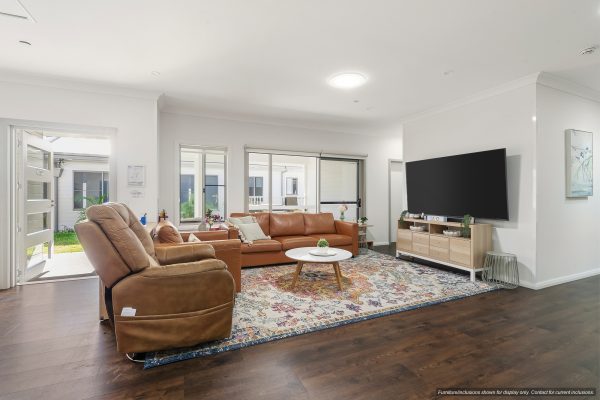
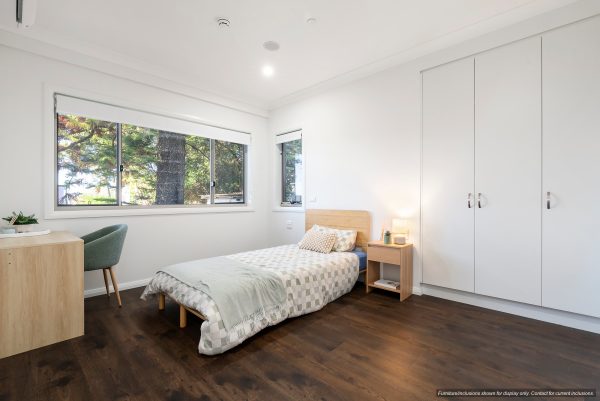
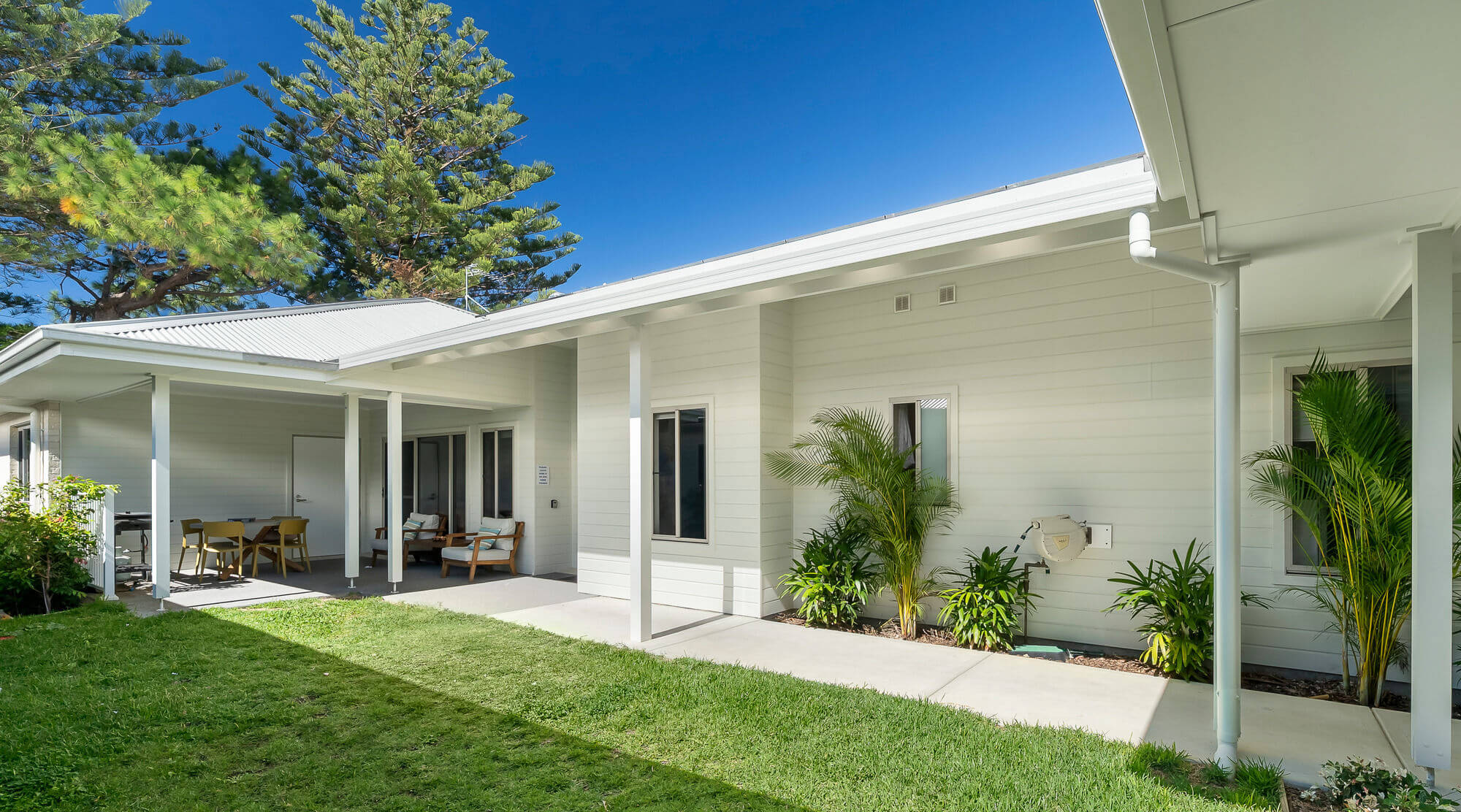
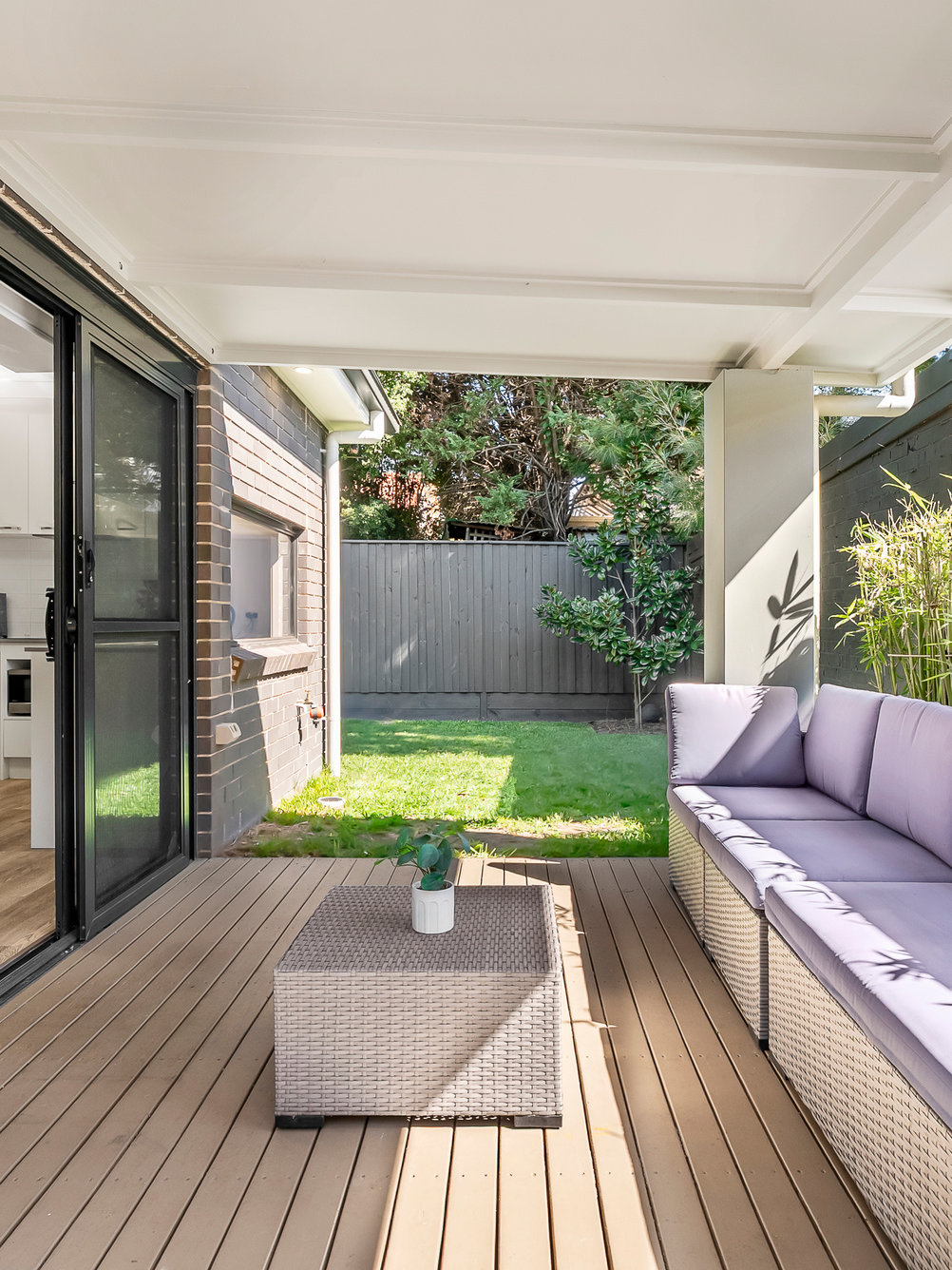
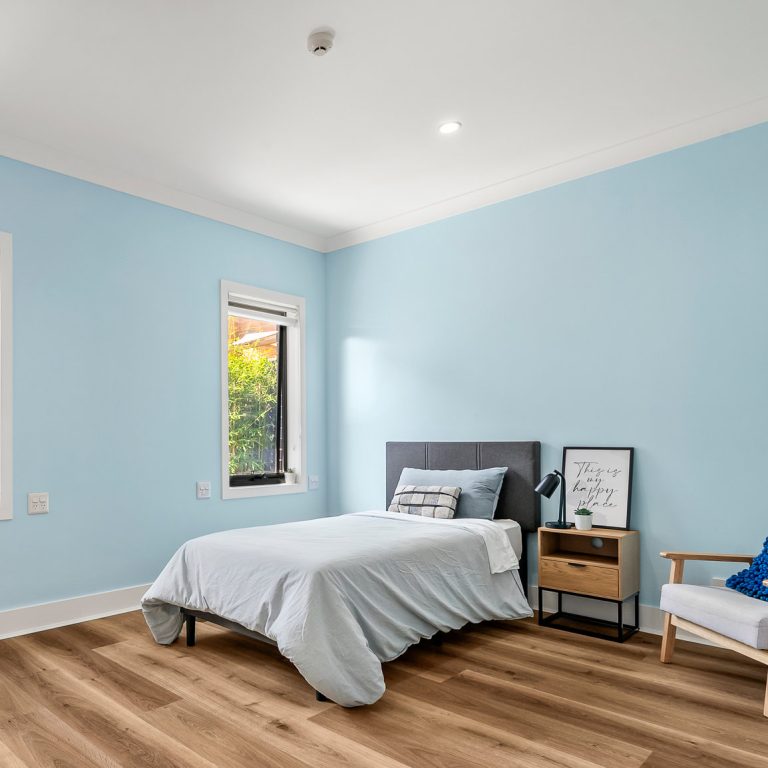
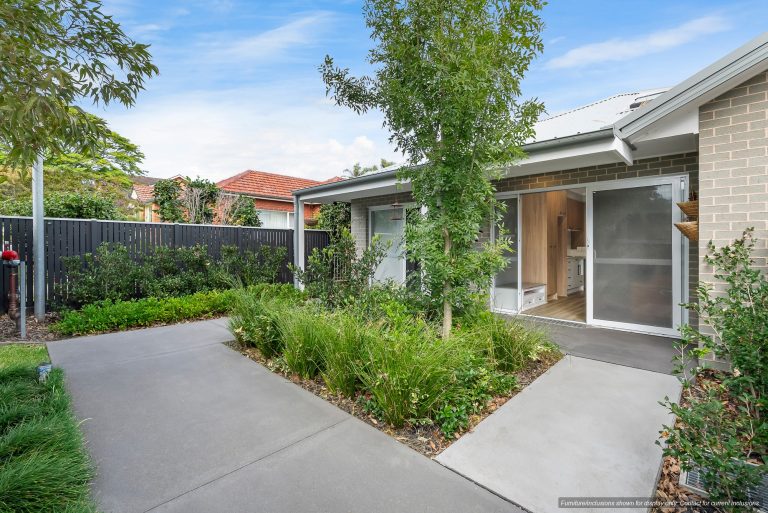
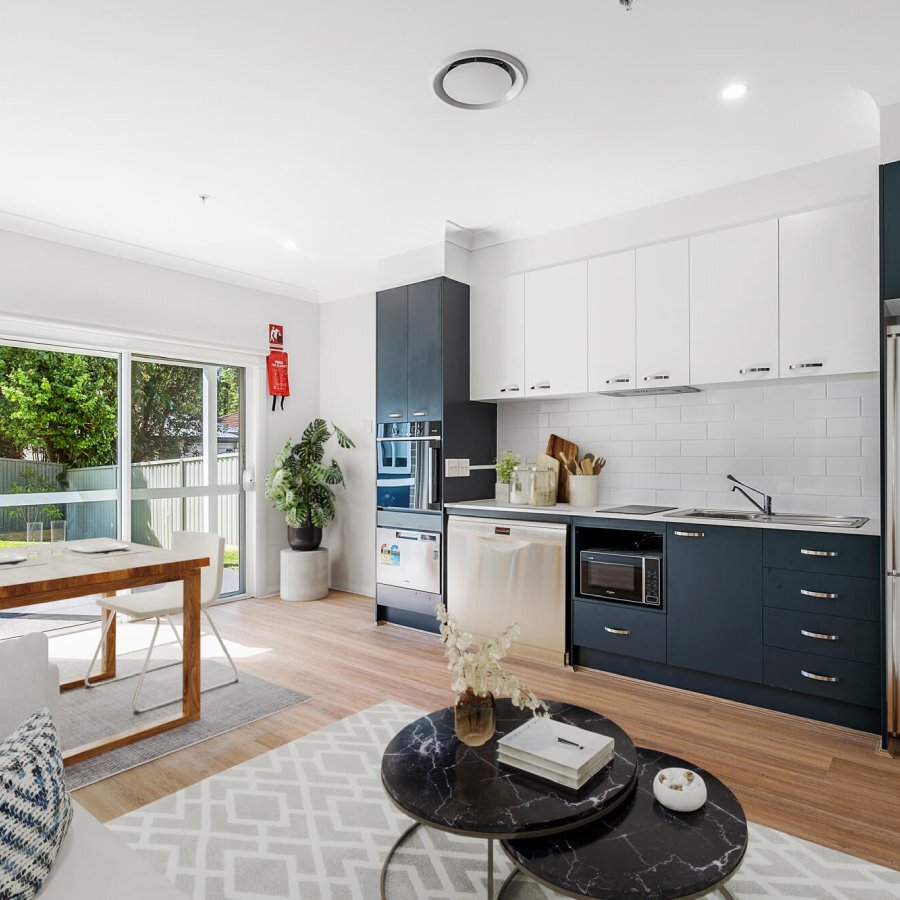
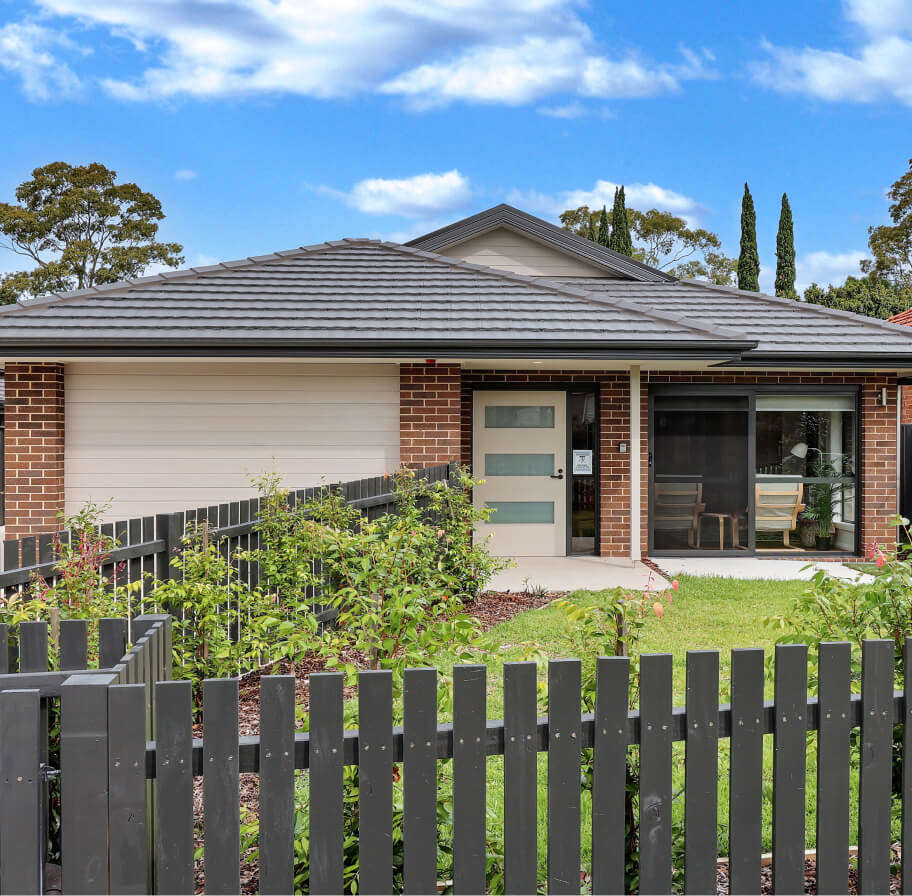
Our homes are single-storey. We build one-bedroom villas and three-bedroom houses. Each resident keeps a private bedroom. Every home is matched to an approved SDA design category. Prader-Willi syndrome accommodation usually falls under Improved Liveability or Robust. The NDIA decides funding, so your planner or support coordinator can confirm your options. To see how the standards work, read our guide to the SDA design categories.
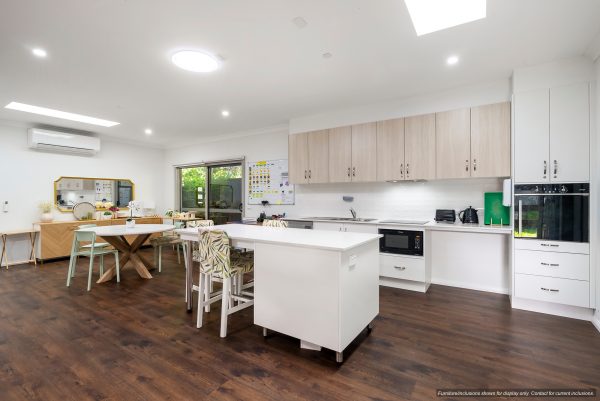
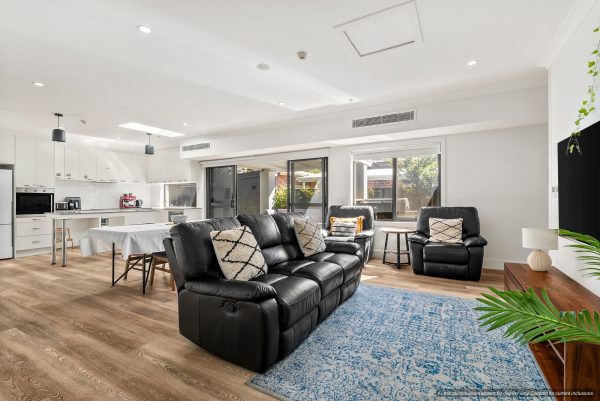
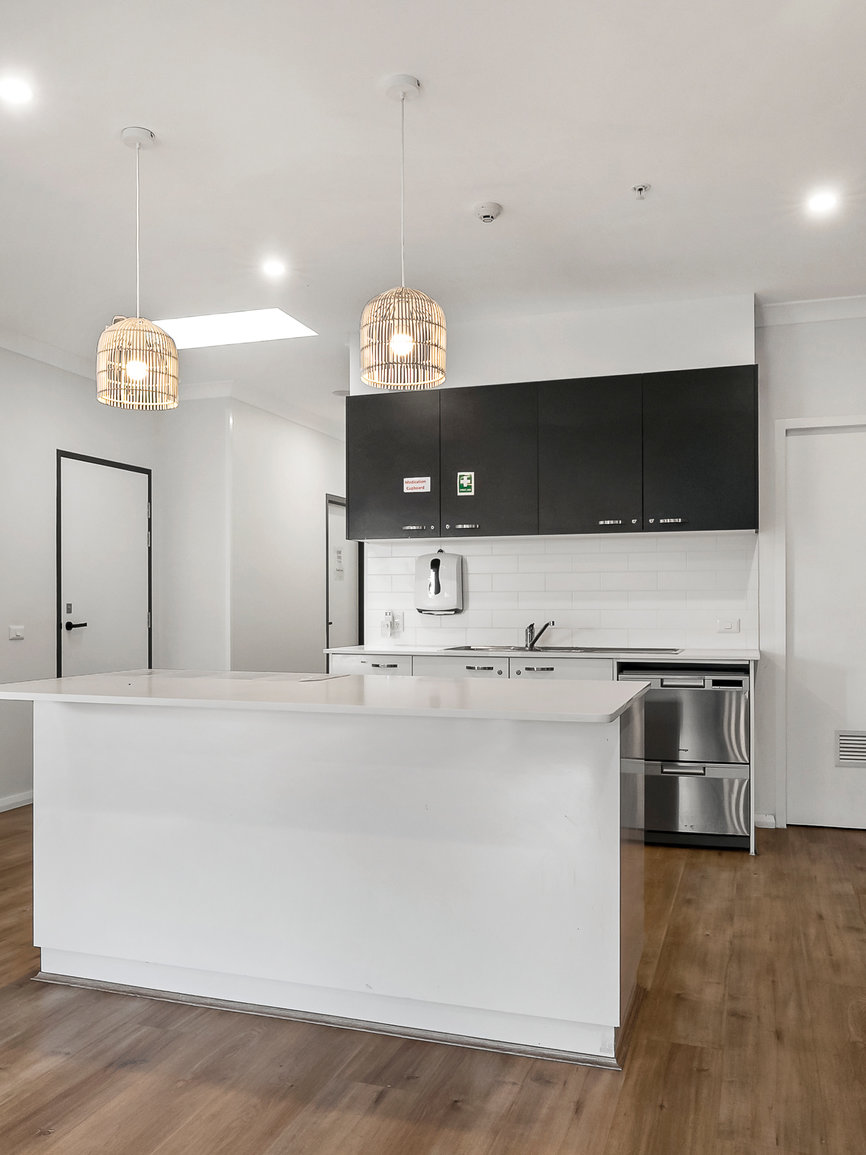
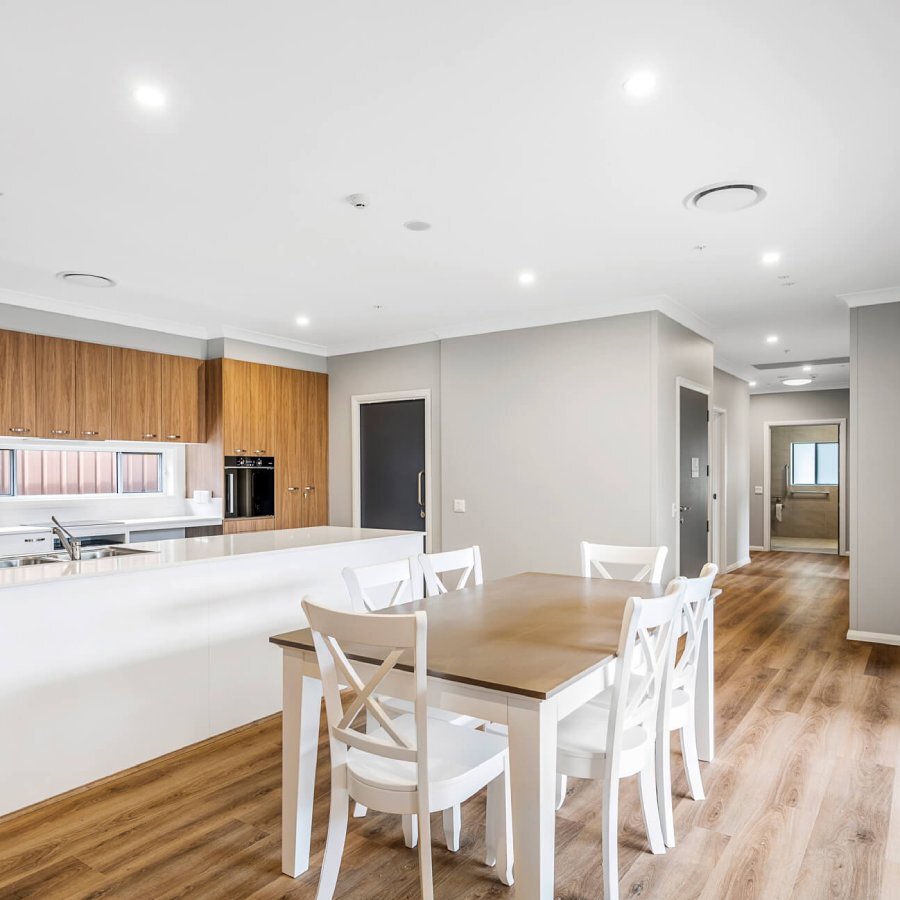
We build the home around the routine your team has already agreed: a defined kitchen and pantry zone that is easy to supervise, sight lines from the living room, and a quiet space away from food preparation. Our Robust SDA homes add tough fittings where a resident needs a stronger build. Any lock on food storage is a regulated restrictive practice, so it must sit in an authorised plan overseen by the NDIS Quality and Safeguards Commission, never a decision we make.
Enquire About PWS HousingSDA housing is grouped into four design standards under the NDIS rules. For people with Prader-Willi syndrome, the Improved Liveability and Robust categories are often the closest fit. Each Edenbridge home is matched to the category that suits a resident's assessed needs.
The NDIA decides who gets SDA funding. It looks at your needs and your NDIS plan. A diagnosis of Prader-Willi syndrome does not decide the outcome on its own. In general, SDA funding may be considered where the following apply:
You are an approved NDIS participant with an active plan managed through the NDIA.
You have an extreme functional impairment in areas such as mobility, self-care, communication or self-management.
You need very high levels of ongoing support to live safely and as freely as possible.
An occupational therapist or other allied health professional has assessed SDA as a suitable housing option for you.
The NDIA has approved SDA as a reasonable and necessary support in your NDIS plan.
Stable, long-term housing lines up with the goals set out in your NDIS plan.
Applying for an SDA home in NSW follows a clear set of steps. Our team can help you through each one.
01Understand Your SDA Eligibility | Confirm you are an eligible NDIS participant. Check your need for specialised housing due to extreme functional impairment or very high support needs. |
02Gather Documentation | Gather recent medical reports and assessments from health professionals. Include any past support or housing plans that set out your needs. |
03Plan Meeting | Book a meeting with your NDIS planner or Local Area Coordinator. Talk through how SDA supports your goals. |
04Include SDA in Your NDIS Plan | Make sure SDA is listed as a funded support in your plan. Talk about the SDA type, the features you need, and the areas you prefer. |
05Seek Provider Options | Contact SDA providers about their homes and how to apply. Ask how each home works alongside your chosen support providers. |
06Application to Providers | Send your application to the providers you have chosen. Include all the information and documents they ask for. |
07Assessment and Approval | Providers check your application against their criteria and the fit of their homes. Take part in further talks or home visits as needed. |
08Agreement Signing | Sign an SDA agreement once you are approved. It sets out the terms, your rent contribution and your responsibilities as a tenant. |
09Move-in Preparation | Arrange the transfer of your supports, set up utilities, and make the space your own. |
10Seek Support if Needed | If you hit a snag, ask your NDIS planner, a support coordinator or an advocacy service for help. |
SDA funds the dwelling. SIL funds the people who give daily support. Edenbridge Living is the SDA provider. We own and manage the home. You choose your SIL provider and your behaviour support practitioner. We work alongside them.
We're proud to collaborate with leading organisations that share our vision of inclusivity and empowerment. If you have had a great experience with another particular support provider, please reach out to us to discuss how we may be able to collaborate. Together, we create a tapestry of support, enriching the lives of our residents.
Sunnyfield is a for-purpose organisation built on a heritage of community spirit, trust, inclusion and heart. Work, life or leisure, we support children, youth and adults with disability to build independence in every opportunity, find a place to call home, connect with their community and build skills for life.
Let’s work together to make bright futures for people with disability.

JewishCare NSW has been helping our community thrive since 1937. Our specialist teams provide community aged care, mental health, disability, and family and child services to ensure an inclusive and supported community.
We have subject matter experts in ageing, specifically in, home care packages and dementia, suicide prevention, domestic violence, NDIS and employment. We work with individuals, the Government, referrers, families and the community to build resilience for today and tomorrow.

Trusted Home Care are an established and sought after provider of in-home care services for the aged and disabled communities, on the NSW Central Coast and Northern Beaches of Sydney.
As a Registered NDIS Provider we offer a full suite of standard and complex support needs, accommodation options and coordination of supports. Our personable team strive to meet individual needs.

As one of Australia’s leading disability service providers, Aruma is dedicated to empowering the people we support to live life on their terms.
We support people to realise their goals and dreams – whether it’s moving out of home, finding a job they love, or becoming active members of the community.
For us, there’s nothing more satisfying than discovering where someone wants to go and supporting them in getting there.

My Independent Support (MIS) is a trusted, NDIS-registered organisation dedicated to delivering personalised, participant-focused support. We work independently alongside each individual to ensure their NDIS plan reflects their unique goals, preferences, and lifestyle.
At MIS, we believe that no two journeys are the same — that’s why we take the time to truly understand each participant’s needs and tailor our support accordingly. Whether it’s helping you build capacity, navigate services, or connect with the right providers, our team is here to empower you every step of the way.
We’re proud to collaborate with Edenbridge Living while maintaining our independent approach, ensuring participants receive holistic, high-quality support without bias or conflict of interest.
For over 70 years, Achieve Australia has worked alongside people with disability to live on their own terms. In Greater Sydney, the Northern Rivers and South East Queensland, we offer independent living services that suit different goals and stages of life. We add to this with Community Participation and Community Lifestyle programs, pathways to employment and clinical supports when they’re needed. The aim is simple: true inclusion, real choice, everyday independence and a genuine sense of belonging.

Sunnyfield is a for-purpose organisation built on a heritage of community spirit, trust, inclusion and heart. Work, life or leisure, we support children, youth and adults with disability to build independence in every opportunity, find a place to call home, connect with their community and build skills for life.
Let’s work together to make bright futures for people with disability.
JewishCare NSW has been helping our community thrive since 1937. Our specialist teams provide community aged care, mental health, disability, and family and child services to ensure an inclusive and supported community.
We have subject matter experts in ageing, specifically in, home care packages and dementia, suicide prevention, domestic violence, NDIS and employment. We work with individuals, the Government, referrers, families and the community to build resilience for today and tomorrow.
Trusted Home Care are an established and sought after provider of in-home care services for the aged and disabled communities, on the NSW Central Coast and Northern Beaches of Sydney.
As a Registered NDIS Provider we offer a full suite of standard and complex support needs, accommodation options and coordination of supports. Our personable team strive to meet individual needs.
As one of Australia’s leading disability service providers, Aruma is dedicated to empowering the people we support to live life on their terms.
We support people to realise their goals and dreams – whether it’s moving out of home, finding a job they love, or becoming active members of the community.
For us, there’s nothing more satisfying than discovering where someone wants to go and supporting them in getting there.
My Independent Support (MIS) is a trusted, NDIS-registered organisation dedicated to delivering personalised, participant-focused support. We work independently alongside each individual to ensure their NDIS plan reflects their unique goals, preferences, and lifestyle.
At MIS, we believe that no two journeys are the same — that’s why we take the time to truly understand each participant’s needs and tailor our support accordingly. Whether it’s helping you build capacity, navigate services, or connect with the right providers, our team is here to empower you every step of the way.
We’re proud to collaborate with Edenbridge Living while maintaining our independent approach, ensuring participants receive holistic, high-quality support without bias or conflict of interest.
For over 70 years, Achieve Australia has worked alongside people with disability to live on their own terms. In Greater Sydney, the Northern Rivers and South East Queensland, we offer independent living services that suit different goals and stages of life. We add to this with Community Participation and Community Lifestyle programs, pathways to employment and clinical supports when they’re needed. The aim is simple: true inclusion, real choice, everyday independence and a genuine sense of belonging.
Support Coordinator
Support Coordinator
Support Coordinator
Prader-Willi syndrome accommodation is housing designed around the daily needs of a person living with the syndrome. In Australia it usually means Specialist Disability Accommodation (SDA) funded through the NDIS. The home itself is the focus, so the design covers layout, kitchen and storage zones, sight lines, quiet bedrooms and a calm, predictable setting. Support workers and clinical care are funded separately. Edenbridge Living builds and manages the home, and works alongside the support providers you choose.
We build homes that can accommodate an authorised plan, and we do not advertise locked food storage as a feature. Locking a pantry, cupboard or fridge to limit a person’s access to food is a regulated restrictive practice under NDIS rules, known as environmental restraint. It can only be used as a last resort, it must be set out in an authorised behaviour support plan, and its use must be reported to the NDIS Quality and Safeguards Commission. That decision sits with the person, their guardian and their registered behaviour support practitioner.
The NDIA decides SDA eligibility as part of a participant’s NDIS plan. A diagnosis of Prader-Willi syndrome does not decide the outcome on its own. Assessments usually look at extreme functional impairment or very high support needs, supported by reports from health professionals and a housing needs assessment. Your NDIS planner, Local Area Coordinator or support coordinator is the right person to confirm your options. We are happy to talk you through what our homes offer while that process runs.
SDA funds the dwelling. SIL, or Supported Independent Living, funds the people who provide daily support. They are separate line items in an NDIS plan. Edenbridge Living is the SDA provider, so we develop, own and manage the home. We do not employ support workers and we do not deliver clinical care. You choose your SIL provider and your behaviour support practitioner, and we work alongside them on the practical side of the property.
Ask how the kitchen and storage zones are laid out, and whether hardware can be adapted if an authorised plan calls for it. Ask about sight lines from living areas, quiet spaces away from food preparation, heating and cooling, and bedroom acoustics. Ask who else lives in the home and how daily routines are shared. Ask how the provider works with your SIL provider. Good Prader-Willi syndrome accommodation should fit the plan your team has already written.
Edenbridge Living provides SDA homes across Sydney and NSW, including the Central Coast. We are a locally owned family office, and we develop, own and manage our own properties. Our homes are single-storey, with one-bedroom villas and three-bedroom houses in established suburbs. Availability changes, so the best step is to contact our team with the person’s support needs and preferred areas. We will explain which homes may suit, with no obligation.
Have more questions? Contact Us.
At Edenbridge Living, we go the extra mile to ensure each of our Specialist Disability Accommodation (SDA) homes have the following attributes: